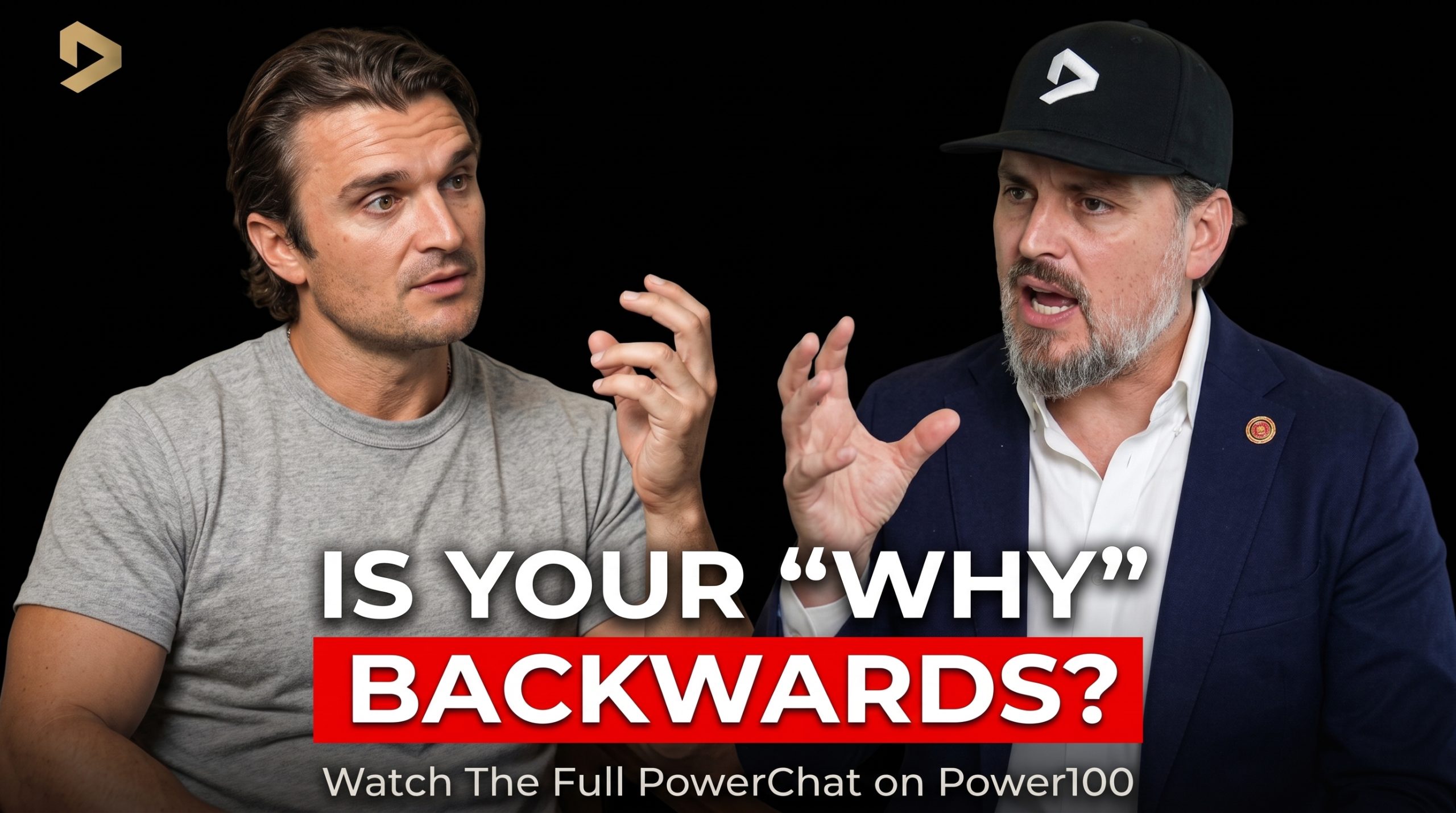
In the home improvement industry, CEOs face constant pressure to grow their businesses, lead their teams, serve homeowners, and stay ahead of the competition. Their calendars fill with meetings, business decisions, and daily problems that demand quick answers. As 2027 approaches, many leaders may feel the need to set bigger goals, work longer hours, and push even harder to reach the next level. Yet a busy schedule does not always mean a leader is moving in the right direction. Some of the most important decisions require time to think, something many business owners rarely give themselves.
Justin Roethlingshoefer, Founder of OWN IT, believes that slowing down can be just as important as taking action. With ten years of experience in health and performance leadership in the National Hockey League and years of working with professional athletes, entrepreneurs, and successful business leaders, Justin has seen how constant pressure can affect even the strongest performers.
His own struggles with serious health problems and burnout taught him that working harder is not always the answer. He believes daily leadership habits for CEOs should include time to reflect, understand their personal needs, and make choices that support both their success and their well-being.
This belief became the focus of a PowerChat conversation hosted by Greg Cummings, CEO of Power100. Through his conversations with thousands of business leaders, Greg has seen that the best CEOs build more than profitable companies. They create strong teams, develop their employees, support their communities, and work toward a future that reflects their values.
Power100 is the only unbiased third-party platform that recognizes and elevates the top leaders and most impactful companies in the home improvement industry. As leaders prepare for 2027, Greg wanted to explore what they could do differently to become better leaders, not just more successful business owners. Rather than asking for another growth strategy or business tool, he challenged Justin to name one habit that the best leaders should prioritize in their lives.
The conversation explored the value of slowing down, listening to what matters, and creating space for personal growth and self-awareness for business leaders. Justin’s response offered a different view of success, one that begins not with filling more hours of the day, but with protecting a few quiet moments to think about what truly needs to change.
During the closing moments of PowerChat, Greg Cummings raised a question that could shape how business leaders approach the year ahead. What is the one thing every successful CEO should make a nonnegotiable part of their life in 2027?
Whether it involves their calendar, family, company, or community, Greg wanted Justin Roethlingshoefer to identify one practice that could help leaders become better at what they do. It was a question about more than business performance. Greg wanted to understand what leaders should begin doing, stop doing, or give more attention to as they prepare for another year of growth and responsibility.
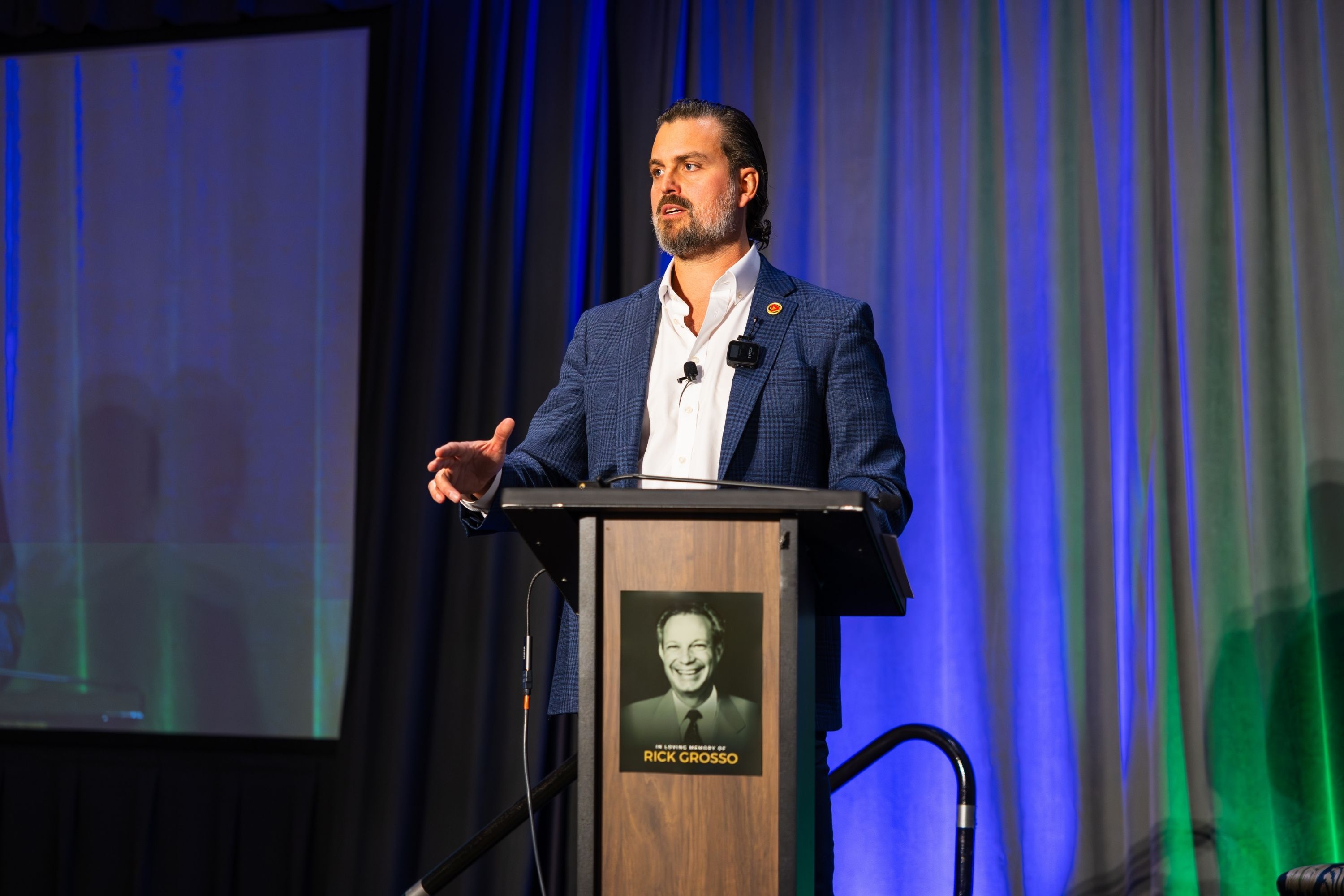
Greg Cummings, CEO of Power100
Justin began by addressing a common belief among high performers. He explained that many successful people see the final months of the year as “separation season.” During this period, they push themselves to work harder while others slow down for the holidays. Their goal is to build momentum before January and enter the new year ahead of everyone else. While this approach may sound like the kind of discipline that leads to success, Justin challenged leaders to think about something they often overlook. Many already know which habits they need to change, which choices they have been avoiding, or which parts of their lives need more care. Yet instead of facing those concerns, they continue looking for another answer or a new reason to work harder.
Rather than recommending longer workdays or greater effort, Justin introduced a simple habit he calls the SLOW framework. He encouraged CEOs to spend 15 minutes each day in stillness and silence, away from the noise and demands that often fill their lives. During that time, they can listen to their instincts, reflect on what they believe God is guiding them to do, and write down what becomes clear. Justin explained that the practice does not require a fixed schedule. Leaders can begin their day with it, use it during a break, or make it part of their evening routine. What matters is creating space to listen and having the courage to act on what they recognize.
“15 minutes. Sit in stillness and silence. Simply listen. Write down your observations and be obedient to them,” said Justin Roethlingshoefer, Founder of OWN IT.
His advice brought a fresh meaning to CEO decision-making and leadership clarity. Justin was not suggesting that 15 minutes of silence could solve every challenge a business owner faces. Instead, he encouraged leaders to recognize that the answers they seek may not always come from another expert, a meeting, or a business strategy. Sometimes, they already understand what needs to change but have not created the space to face it. Justin also made it clear that reflection alone is not enough. Leaders must use what they learn during those quiet moments to make choices that reflect their values and move them in the right direction.
For home improvement CEOs preparing for 2027, this conversation raises an important question about what should be on their calendars. While business growth, employee development, and customer needs will continue to demand their attention, taking time to reflect may help them approach those responsibilities with greater care. Justin’s message challenges leaders to see stillness not as lost time, but as a chance to become more aware of their decisions, their purpose, and the people who depend on them. And as the PowerChat discussion revealed, those quiet moments are only the beginning. Their real value comes from what leaders choose to do afterward.
The pressure to keep moving can make even the most successful leaders forget the value of a quiet moment. During his PowerChat conversation with Greg Cummings, Justin Roethlingshoefer shared why taking time to slow down can help CEOs see their lives and businesses more clearly. His message was not about doing less or losing the drive to succeed. It was about learning when to stop, listen, and think before making the next move.
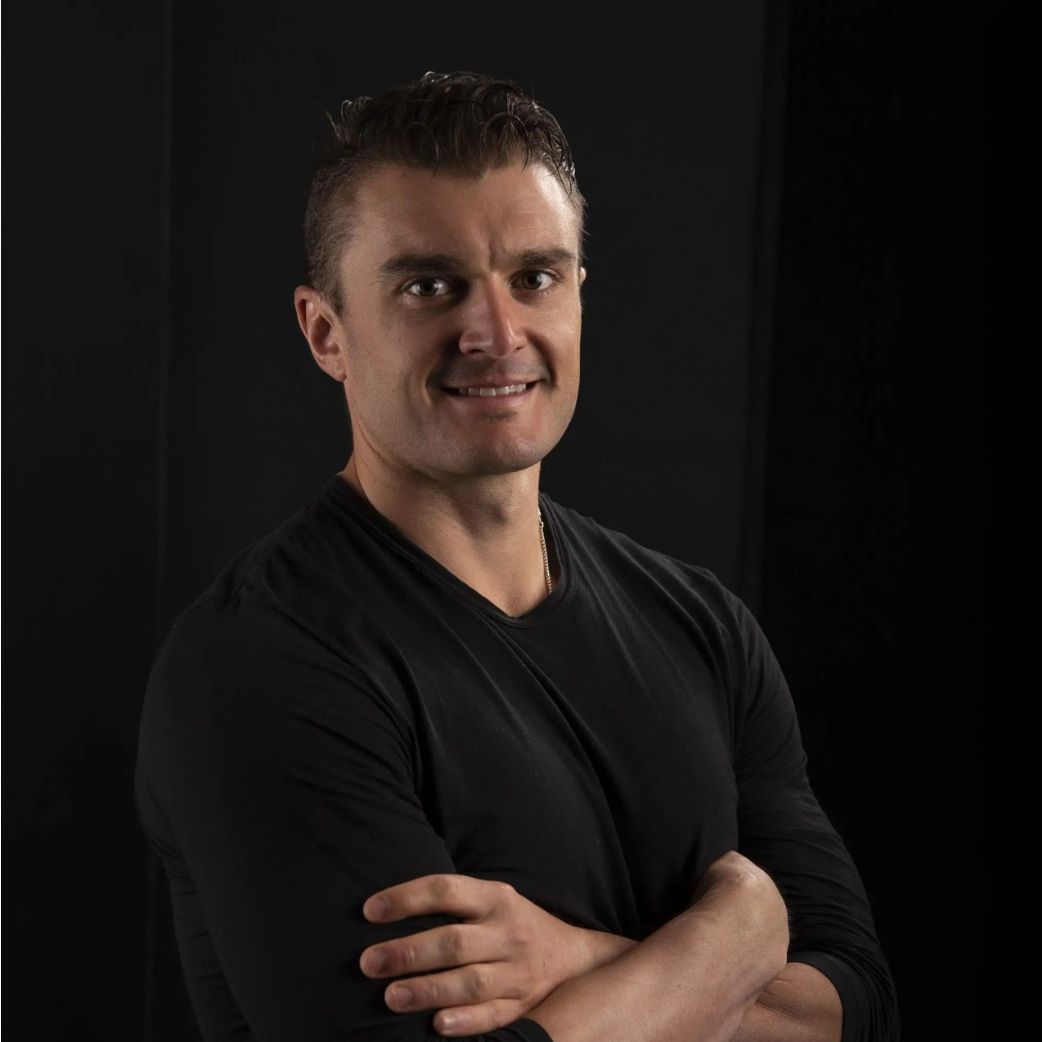
Justin Roethlingshoefer, Founder of OWN IT
For leaders who spend most of their days answering questions and solving problems for others, Justin believes those quiet moments can help them recognize what needs their attention. The discussion revealed how stillness, personal values, and trusted guidance can work together to help CEOs make wiser choices and bring greater purpose to the people they lead.
For many successful business owners, the final months of the year bring a new sense of pressure. There are revenue goals to meet, employees to guide, and plans to implement before January arrives. While others begin slowing down for the holidays, some CEOs see this as their chance to get ahead. Justin Roethlingshoefer explained that high performers often call this period “separation season,” a time when they work even harder to build momentum for the coming year.
Justin understands the drive behind this approach. Leaders want to finish the year strong and give their companies a better start in January. But during his conversation with Greg Cummings, he challenged the belief that working harder is always the best way to make progress. A CEO can put in more hours, attend more meetings, and take on more tasks while still avoiding something important that needs to change.
That problem can appear in many parts of a leader’s life. A contractor may know that a trusted manager needs more freedom to lead but continue making every decision alone. Another business owner may recognize that their schedule is affecting their health but keep adding more work to each day. Others may have a difficult conversation they need to have with an employee or family member but continue putting it off because they do not want to face the discomfort.
These examples reflect the challenge Justin raised. People often have a clear idea of what they need to begin, stop, or change. Yet they keep searching for another answer rather than acting on the one already in front of them.
“We already know the answer, but we don’t want to do the answer,” Justin Roethlingshoefer, Founder of OWN IT, explained.
His statement points to a problem that can affect even leaders with years of experience. Knowing that something needs attention does not always make it easy to face. A change may require an uncomfortable decision, a new habit, or an honest look at how someone has been living. Keeping busy can sometimes feel easier than dealing with those concerns.
For home improvement CEOs, this creates an important difference between staying active and making meaningful progress. A full calendar can show how much work someone is doing, but it cannot always show whether that work is moving the company in the right direction. Leaders also need time to consider which problems deserve their attention and which activities may be taking them away from more important goals.
Justin’s message does not suggest that business owners should lose their drive or stop setting ambitious targets. Instead, he encourages them to ensure their efforts have a clear direction. Before adding another goal or taking on another task, they may benefit from asking whether there is something they have already recognized but have not yet addressed.
This is where his advice begins to challenge the usual idea of leadership success. Sometimes, the next step does not require greater effort. It requires enough quiet to recognize where that effort should go.
When Justin Roethlingshoefer introduced his SLOW framework, he offered leaders something they could begin using without changing their entire schedule. He did not ask them to take a long break from business, spend hours studying, or follow a strict morning routine. Instead, he encouraged them to protect just 15 minutes each day for stillness and silence.
For a CEO whose day begins with messages, meetings, and questions from employees, this may sound like a small change. Yet Justin believes those minutes deserve attention because they create something that busy leaders often lack: time to listen without immediately responding to someone else’s needs.
The foundation of the framework is simple. Leaders spend time in stillness and silence so they can listen to what is on their minds, reflect on their lives, and recognize what may need their attention. Justin also speaks openly about his Christian faith and encourages people to listen to what they believe God is telling them.
Rather than giving every CEO the same routine, Justin makes room for the different demands of their lives.
“It’s either you start your day this way, you break your day this way, or you end your day this way. It’s up to you,” Justin explained.
That flexibility is important for business owners whose schedules can change without warning. Some may find that a quiet morning gives them time to prepare before the demands of work begin. Others may prefer a break during the day, when they can step away from meetings and think about what has happened. For those who struggle to find time earlier, the evening may offer a chance to look back on the day.
The purpose remains the same. Leaders create space to be still instead of allowing every free moment to fill with another task.
For example, a home improvement CEO may spend the morning dealing with sales numbers, customer concerns, and employee questions. By the afternoon, they may have made dozens of decisions without giving much thought to how those decisions affected their own well-being. A quiet break could give them a chance to recognize whether they have been acting from stress, responding too quickly, or overlooking an issue that deserves more care.
Another leader may discover that the pressure they feel is not solely due to the amount of work. It may come from trying to manage responsibilities that someone else on the team could handle. Others may recognize that they have allowed work to take too much time away from their families.
These are examples of the kinds of concerns leaders may notice when they stop and reflect. The framework does not promise that every question will suddenly have an answer. Its value lies in creating an opportunity to think about matters that constant activity can push aside.
This gives daily leadership habits for CEOs a different meaning. Healthy routines do not need to focus only on exercise, productivity, or completing more work. They can also include time to understand what is happening in a leader’s life and how that may affect their decisions.
For Justin, the 15 minutes are not about escaping responsibility. They are about becoming more aware of it.
A CEO who takes time to reflect may become better prepared to return to their work with a clearer view of what matters. But Justin also believes that simply sitting in silence is not enough. The next part of his framework asks leaders to do something with what they discover.
A quiet moment can bring important thoughts to the surface, but those thoughts may soon fade when the demands of the day return. Justin Roethlingshoefer believes leaders should do more than notice what comes to mind during their time of stillness. They should also record those thoughts and consider what action they need to take.
This is where his SLOW framework moves from reflection into personal responsibility.
Justin encourages leaders to listen carefully during their 15 minutes of silence. In his own practice, he listens to his instincts and seeks guidance through his faith. He believes people can use those moments to recognize what they need to address, even when the answer feels difficult.
For some CEOs, that may mean recognizing a problem they have avoided at work. For others, it may involve a personal habit they want to change or a relationship that needs more attention.
Justin does not claim to be able to give every leader the same answer. During the interview, he explained that he cannot know every person’s struggles, responsibilities, or stage of life. Each CEO faces different pressures and must understand their own situation before deciding what to do.
This makes the act of listening especially important. Rather than following a fixed answer from someone else, leaders have an opportunity to consider what their own experience has been teaching them.
Justin then recommends writing down what becomes clear. This step gives leaders a way to hold on to their thoughts after the quiet moment ends.
A CEO who recognizes the need to communicate better with their team can document that concern and decide how to address it. Someone who notices that their work schedule has become difficult to manage can write down what needs to change. Others may realize that an important goal has received very little attention and decide to make room for it.
Writing down those observations can turn a passing thought into something a leader can return to and examine more carefully.
However, Justin makes it clear that the process must not end with writing.
“And as you become obedient to it, you gain wisdom for what to do next,” Justin said.
His use of the word “obedience” reflects his personal faith and his belief in following the guidance he receives through prayer and reflection. His larger message also offers a practical lesson for business owners: recognizing what needs to change matters most when they are willing to take the next step.
A leader may realize that a difficult conversation with an employee cannot wait any longer. Acting on that thought means making time for the conversation, listening carefully, and working toward a solution. Another CEO may recognize that they need greater support with company operations. The next step could involve speaking with a trusted team member about how responsibilities should change.
These actions may seem simple, but they require leaders to move beyond thinking about a problem and begin addressing it.
That is the connection Justin draws between reflection and CEO decision-making and leadership clarity. Quiet time can help leaders notice what deserves their attention. Writing gives those thoughts greater form. Action allows them to learn from their choices.
Justin’s advice also offers a different perspective on wisdom. Leaders do not always need to know the full path before taking the next step. They can begin with what they understand, act with care, and use what they learn to guide future decisions.
For business owners who are used to finding answers through meetings, advice, and new strategies, this approach brings attention back to their own judgment. Outside guidance still matters, but it becomes more useful when leaders understand what they are trying to solve.
As they begin making those choices, another question becomes important. What helps a leader stay true to those decisions when the pressures of business return?
Justin believes the answer begins with knowing who they are and the standards they want to live by.
Every business leader has moments when different responsibilities compete for their attention. An employee may need guidance while a customer waits for an answer. A family member may need time together when an important business task remains unfinished. These choices are not always easy, especially when several things matter at once.
Justin Roethlingshoefer believes personal identity can help leaders make sense of those moments. When people understand who they are and what they value, they have a clearer way to decide which actions belong in their lives.
“When you know who you are, you know what to do,” Justin explained.
This idea connects closely to his SLOW framework. The quiet time he recommends can give leaders a chance to examine whether their choices still reflect their values.
A CEO may see themselves as someone who puts people first. Yet after a difficult week, they may notice they have spent most of their time pushing employees for results without asking what support they need. Another leader may value being present at home but recognize that business concerns have taken over nearly every family conversation.
These moments do not mean the leader has lost their values. They may simply reveal an area where their actions need more attention.
Justin believes that recognizing this difference matters because personal standards become difficult to follow when people lose sight of what those standards are meant to protect.
He shared how his own life changed when he began to view personal excellence through the lens of his identity rather than out of a need to impress others. His daily routine now supports his faith, health, and family responsibilities, helping him prepare for the work he believes he has been called to do.
But Justin does not treat every part of that routine as something that can never change. When his family needs him, he may choose to give them time that he would normally spend exercising. That decision still reflects his values because caring for his family remains one of his priorities.
For CEOs, this offers an important lesson about maintaining direction as their lives change.
A leader who manages a small team may have different daily responsibilities from someone running a large company with hundreds of employees. As a business expands, the founder’s role may change. They may need to spend less time solving every problem themselves and more time helping other people lead.
Personal standards can guide those changes when they reflect a clear understanding of what matters.
This is why personal growth and self-awareness among business leaders can become an important part of a company’s growth. A CEO who takes time to examine their own behavior may notice ways to improve how they communicate, make decisions, or respond to challenges. Those changes can influence the way employees experience leadership and how the company serves its customers.
The value of reflection also grows when leaders make it a regular part of their lives rather than something they only do during difficult times.
A CEO may enter one year focused on expanding the business, and another focused on building a stronger leadership team. Family needs and personal goals can change as well. Taking time to reflect allows leaders to consider whether their choices still fit their responsibilities.
Justin’s message is not that every decision becomes easy once someone understands their identity. Rather, knowing what matters provides a clearer starting point when choices become difficult.
Still, personal clarity does not mean a leader will always know the best way forward. Some situations require experience, advice, and a perspective they cannot find on their own.
That is why Justin believes trusted guidance should remain part of a successful leader’s journey.
Even the most experienced CEOs face challenges they have never handled before. A business may enter a new market, a trusted employee may leave, or a difficult decision may affect the company’s future. In those moments, knowing how to ask for help can be just as important as knowing how to lead.

Justin Roethlingshoefer, Founder of OWN IT
Justin Roethlingshoefer believes successful leaders should not expect themselves to find every answer alone. After explaining his SLOW framework, he encouraged people to find someone they trust who can help them navigate the decisions ahead.
“I would never navigate a road that I have never gone without a coach or a person next to me,” Justin explained.
His point was that reflection and guidance can work together. Quiet time allows leaders to understand what they are facing, while a trusted coach or mentor can help them examine their choices and stay focused on the direction they want to take.
Justin described the path to meaningful success as a narrow road. He believes leaders need to be careful about whom they allow to guide them, because those relationships can influence the choices they make.
For a home improvement CEO, that trusted person may be an experienced business leader who has already managed a similar challenge. It may be a coach who understands the pressures of leading a growing company or someone who can offer a useful perspective when personal and business needs begin to compete.
What matters is finding guidance that helps the leader think clearly, rather than simply offering another opinion to follow.
This brings another important part of Justin’s message into focus.
“Leaders are multipliers,” Justin said.
He explained that the people who lead businesses, teams, and communities can spread both healthy and harmful behaviors. Their choices do not affect them alone.
A CEO who responds to problems with care may encourage employees to approach difficult situations similarly. A leader who makes time to listen may help create a workplace where people feel more comfortable sharing concerns. But constant pressure, poor habits, and a lack of care can also influence how a team works together.
Justin believes leaders need to understand what they are passing on to the people around them.
This connects his advice to Greg Cummings’ larger view of leadership. Throughout the PowerChat, Greg spoke about the importance of CEOs who build strong companies while also caring for their employees, families, and communities.
For these leaders, business success creates an opportunity to help others grow.
A company owner who gains greater clarity about their goals may become more thoughtful about the kind of workplace they want to build. A leader who learns to ask for guidance may also become more willing to support employees who need help. Someone who develops healthier ways to handle pressure may begin to bring that same care into their relationships outside of work.
These possibilities help explain why leadership coaching and personal development for CEOs can matter beyond personal success. Leaders influence the people who work beside them, the customers they serve, and the communities where their companies operate.
Greg added a personal moment to the conversation, bringing Justin’s message to life.
He recalled an eight-day rafting trip through the Grand Canyon, where a guide asked the group to take a silent walk through nature. For about 40 minutes, they walked without speaking, keeping enough distance that they could not communicate through gestures or hand signals.
Greg described the experience as one of the most impactful moments of his life.
His story gave a personal example of what Justin had been encouraging leaders to explore. Silence can feel unusual, especially for people who spend much of their day speaking, planning, and responding to others. Yet stepping away from that constant activity can create room for reflection that may otherwise be difficult to find.
The experience also showed that the value of stillness does not depend on a particular location or setting. Greg found it during a walk through the Grand Canyon. Justin recommends making it part of an ordinary day.
Both experiences point to the same lesson: leaders can benefit from taking time away from external demands to listen and reflect.
For CEOs preparing to enter 2027, the conversation offers a different way to think about the support and habits they need. Strong leadership does not require someone to carry every responsibility alone or have an immediate answer to every question. It also involves knowing when to listen, when to seek guidance, and when to act on what has become clear.
Greg’s experience and Justin’s advice bring the discussion back to the question that started it all. Before leaders fill another calendar with business goals, meetings, and new responsibilities, they have an opportunity to consider whether they are making enough room to understand where they want to go.
And perhaps the most useful place to begin is with a few quiet minutes and the willingness to listen.
As CEOs prepare for 2027, their calendars will soon fill with new business goals, team meetings, and growth plans. But the question Greg Cummings raised during PowerChat offers leaders something else to think about.
What should they make time for that could help them lead better in every part of their lives?
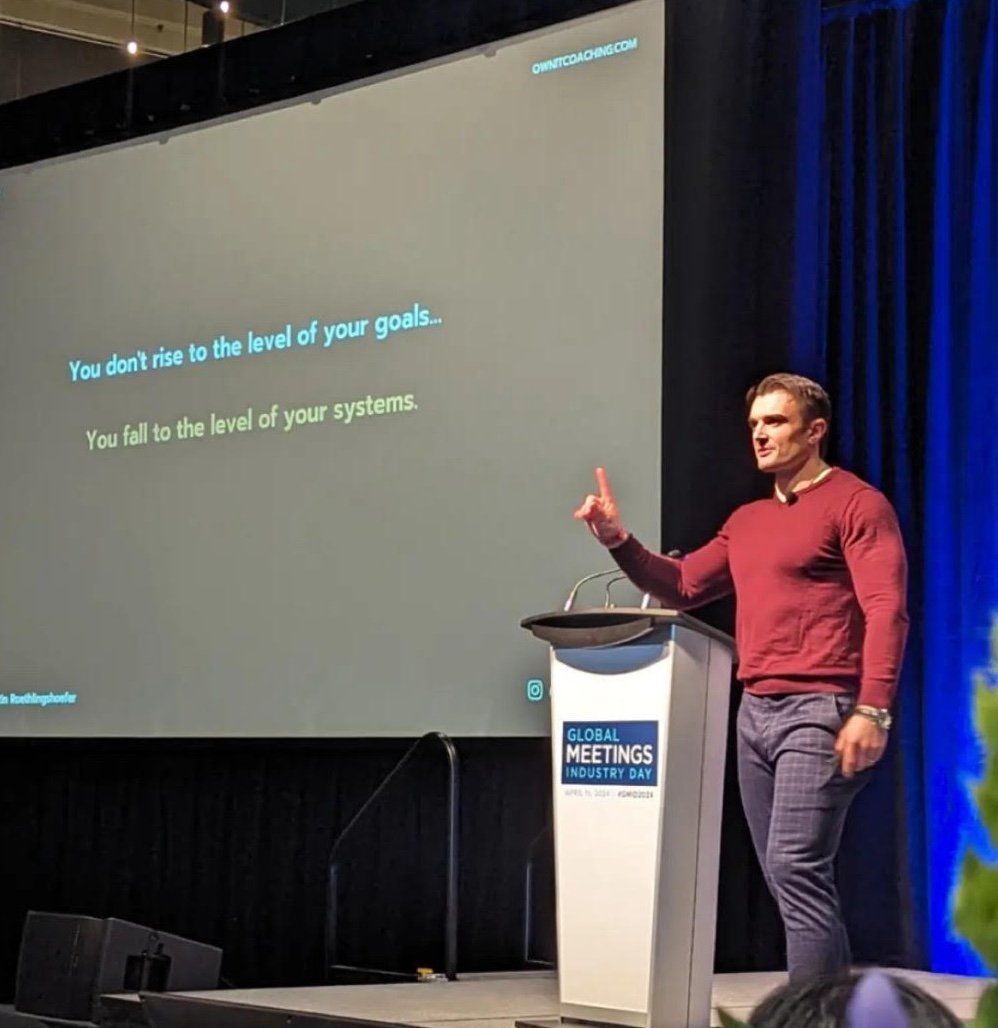
Justin Roethlingshoefer, Founder of OWN IT
Justin Roethlingshoefer’s response reminds business owners that moving forward does not always mean moving faster. Sometimes, it means giving themselves enough space to understand where they are going and whether their choices reflect what matters most. For leaders who have spent years putting the needs of their companies and teams first, making time for themselves is not a step away from success. It is an opportunity to approach their responsibilities with greater care, purpose, and direction.
Justin’s SLOW framework offers a simple place to begin. By setting aside just 15 minutes each day for stillness and silence, CEOs can give themselves time to listen, reflect, and consider what deserves their attention. They can begin their morning this way, take a quiet break during the day, or make it part of their evening routine. Justin encourages leaders to write down what becomes clear and take action when they recognize something that needs to change. He also reminds them that they do not have to face every difficult decision alone. A trusted coach or mentor can offer guidance when the next step feels uncertain. The goal is not to find every answer in one quiet moment, but to build a habit of listening that helps leaders make more thoughtful choices over time.
For Greg Cummings, this message reflects a larger vision of leadership that goes beyond business growth and financial results. Home improvement CEOs have the power to shape their employees’ lives, create better experiences for homeowners, strengthen their families, and bring lasting value to their communities. The choices they make each day can influence all those areas.
As 2027 approaches, Justin’s advice offers a hopeful reminder that meaningful change does not always require another major investment, a new business strategy, or longer working hours. Sometimes, it begins with a quiet moment and the courage to act on what becomes clear. And that leaves every CEO with one question worth carrying into the new year: Before you add another goal to your calendar for 2027, will you make room to listen to what your life is already telling you needs to change?
Power100 does more than publish a list of top CEOs. Its National Power Rankings also allow contractors to search for their companies and explore how they compare with other businesses in the industry. The platform uses a ranking system built around growth, community, and culture. Contractors can search their company names to check whether Power100 includes them in its database. Through its national home improvement contractor rankings, Power100 aims to give business owners a clearer view of their place in the industry, not just recognize the most successful leaders.
Yes. Power100 organizes its content into video shows, podcasts, articles, and leadership interviews. The platform also offers an AI concierge that helps business owners find content based on their questions and goals. CEOs can describe the challenge they face and look for relevant interviews, ideas, or resources. This approach helps contractors explore leadership lessons for home improvement businesses without having to read every article or watch every interview. Business owners must still decide which lessons fit their own companies.
Justin does not present the SLOW framework as a way to solve every business problem in 15 minutes. Instead, he encourages CEOs to use that time to recognize what deserves their attention. A leader may notice an issue they have avoided or see that a decision needs more thought. The next step involves writing down what becomes clear and taking action. His SLOW framework for CEO leadership focuses on building a habit of reflection that can help leaders approach difficult choices with greater care.
Justin encourages leaders to choose a time that fits their responsibilities. They can begin their morning with 15 minutes of silence, take a quiet break during the workday, or reflect before going to bed. It does not require every CEO to follow the same schedule. The goal is to make daily reflection a regular habit for busy business owners, not another source of pressure. Leaders can start with a quiet place, put distractions aside, listen to their thoughts, and record anything that needs their attention.
No. Justin encourages leaders to listen to their instincts and spiritual guidance, but his conversation does not suggest that they should ignore facts or outside advice. He also recommends seeking help from trusted coaches when facing difficult decisions. CEOs can use quiet reflection to recognize a problem, then review the facts and speak with experienced people before choosing their next step. This balance allows business leaders to make thoughtful decisions that incorporate personal reflection, useful information, and trusted guidance, rather than relying on instinct alone.
Justin speaks openly about his Christian faith and includes listening to God as an important part of his approach. However, leaders who do not share his beliefs can still use quiet reflection to examine their thoughts, consider their values, and write down what needs attention. The practice gives them a chance to step away from daily distractions and think about their choices. Justin’s personal faith remains central to his explanation of the framework, while the basic habits of silence, listening, and taking action offer practical value for leaders with different beliefs.
Justin shared the SLOW framework openly during his PowerChat conversation with Greg Cummings. He explained how anyone can set aside 15 minutes for stillness, silence, listening, and reflection. He did not make enrollment in a coaching program a requirement for trying it. OWN IT separately offers personalized health coaching for founders and executives, including health testing, expert guidance, and plans for nutrition, fitness, sleep, and recovery. The SLOW framework offers a simple daily practice, while OWN IT’s coaching programs provide a broader approach to personal health and performance.
Justin believes reflection and trusted guidance serve different purposes. Quiet time helps CEOs recognize what matters, while a coach or mentor can help them think through difficult choices and stay focused on their goals. A leader may understand that their company needs a major change but lack the experience to handle that situation. Someone who has faced a similar challenge can offer useful guidance. Justin encourages leadership mentorship for successful CEOs because even experienced business owners can benefit from having someone they trust by their side when the path ahead becomes uncertain.
Power100 is the only unbiased third-party platform that recognizes and elevates the top leaders and most impactful companies in the home improvement industry. Led by CEO Greg Cummings, Power100 gives outstanding CEOs the recognition, support, and resources they need to grow stronger businesses and create a lasting impact. Through its national CEO rankings, PowerChat interviews, and leadership insights, the platform shares valuable lessons from leaders who are shaping the future of home improvement. Its mission is to help CEOs lead with purpose, build strong company cultures, make better decisions, and create lasting value for their employees, customers, and communities while raising the standard of leadership across the industry.
Membership unlocks every Power100 interview, PowerChat episode, and expert playbook - free for industry leaders.
Power100 is the nation's premier CEO ranking and media platform for the home improvement industry. Using a proprietary 5-layer evaluation system, Power100 identifies and celebrates the top CEOs, companies, and strategic partners driving innovation, customer satisfaction, and leadership excellence across the country.


