
Press Release
How Power100 and CEO Greg Cummings Help Modern Leaders Build True Leadership, Identity, and Legacy Through PowerChat and Outside the Lines...
How Does Power100 Help Leaders Build Leadership, Identity, and Legacy in the Modern World?
Power100 - Greg Cummings
April 17, 2026 | 4 min Read
In this contributor article, Power100 CEO Greg Cummings pulls back the curtain on why he built Power100 as more than a ranking platform—showing how conversations with leaders like Andy Lindus, Patrick Rinard, Peter Svedin, Caleb Nelson, Vic Sun, and Charlie Greene are giving modern CEOs a rare place to study real leadership, clarify identity beyond branding, and build a living legacy their teams, families, and industries can feel right now, not just remember later.
Leadership is not an abstract idea at Power100. It is the foundation of how great companies are built, how teams are shaped, and how future generations learn what right looks like in business and in life. In Greg Cummings’ view, Power100 exists to help leaders understand that leadership is how a person got where they are, identity is why they do what they do, and legacy is the living result of those two forces working together every day.
As Greg Cummings explains in his contributor remarks, “Leadership is how you got to where you are. Who you followed and how you led. Identity is more than just a purpose or action. Identity is who you really are. Legacy is something bigger than you. Legacy is something that lives longer than you.” Those ideas shape the entire Power100 platform, the PowerChat show, and the Outside the Lines conversations that look beyond home improvement to study leaders whose stories can move people forward.
At a time when many professionals are overwhelmed by noise, trends, and short-term thinking, Power100 is building something different. It is creating a trusted space where leadership is studied, identity is clarified, and legacy is treated not as something that starts after death, but as something people are creating right now in the way they lead their companies, serve their teams, and influence their communities.
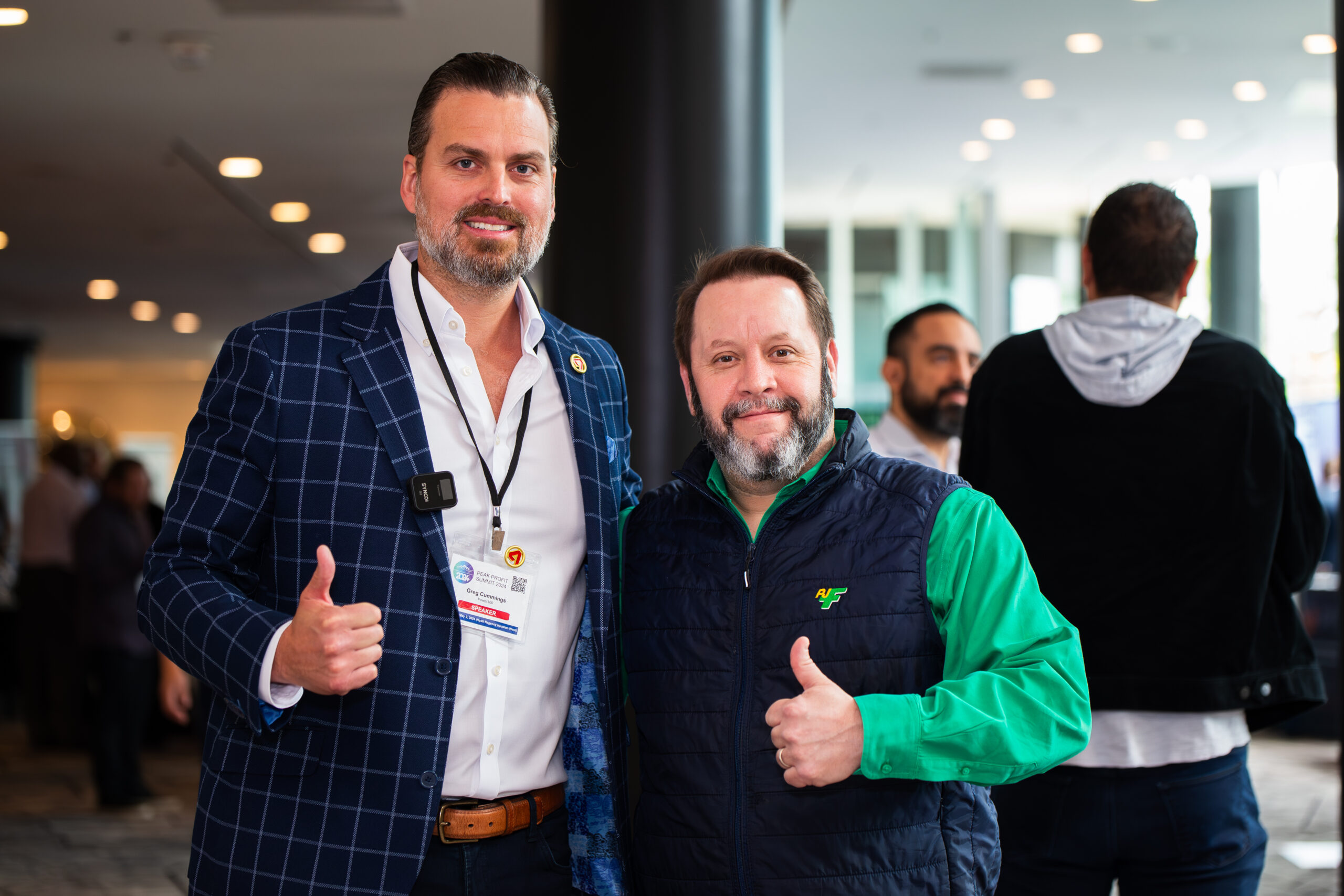
Why Power100 Was Built Around Leadership, Identity, and Legacy
I believe the world does not suffer from a lack of information. It suffers from a lack of clear leadership. Too many people know how to market themselves, but not enough know how to lead in a way that shapes others for the better. That is why Power100 was built as an unbiased third-party platform focused on identifying, elevating, and learning from the leaders who are actually moving the home improvement industry forward.
At Power100, leadership is not just about title or revenue. It is about who you followed, what principles formed you, and how you now lead your people, your customers, and your community. Identity is not just a mission statement on a wall. Identity is the deeper truth underneath your decisions. It is who you are when no one is watching. And legacy, in my view, is not a distant idea. It is your living legacy, the one you are building in real time through your actions and your influence on future generations.
This is why Power100 matters in the modern world. We do not just rank leaders. We create a platform where people can see what real leadership looks like, hear how elite operators think, and model themselves after leaders who are building something bigger than themselves.
What PowerChat Reveals About Modern Leadership
The PowerChat series was created so leaders could speak in a more honest, practical, and human way. Instead of polished talking points, the goal is to reveal what shaped them, what they believe, and what systems they use to create lasting results. Through these conversations, Power100 helps the industry understand that great companies are usually built by leaders with a clear identity and a disciplined way of thinking.
One example is Andy Lindus, recognized by Power100 as the #4 CEO in the nation for 2026, whose conversation highlighted the power of listening, better questioning, training, and customer experience. His leadership philosophy showed that trust is not built by speaking first, but by hearing homeowners clearly and shaping systems that help teams serve with consistency.
Another example is Patrick Rinard, CEO of BEE Window, whose PowerChat centered on a simple but powerful three-step rhythm for every meeting: what is working, what is not, and what will be executed today. That framework reflects what I believe elite leadership does best. It creates clarity, removes confusion, and turns conversation into action that homeowners can actually feel in the experience of a project.
Peter Svedin, CEO of Lifetime Home Remodeling, offered another important lesson. His story showed how people-first training, field discipline, and clear career paths can transform a company from a small startup into a multi-market brand without losing its culture. His belief that “leadership is about building something that lasts” aligns directly with how Power100 sees legacy: not as a slogan, but as systems, standards, and people developed over time.
In a different but equally important lane, Caleb Nelson, Founder and CEO of Destination Motivation, brought attention to the moments after the sale, where trust is either reinforced or quietly lost. His insight that contractors often lose revenue “in the silence that follows” a signed agreement reveals a deeper truth about leadership: follow-through is part of identity, and the way a company communicates after the deal says just as much about its values as the way it sells.
Then there is Vic Sun, founder of Channel Automation, who represents a different kind of leadership challenge. His conversation focused on AI, automation, speed to lead, and operational modernization, but underneath the technology was a more important leadership issue: whether a company is willing to adapt, simplify, and build systems that protect both the customer experience and the team’s ability to grow without breaking.
Taken together, these PowerChat conversations are not random interviews. They are a study in what leadership looks like when it is rooted in identity and expressed through real systems. That is why Power100 continues to invest in them. They help leaders learn not only what works, but why it works, and who they need to become to carry it forward.
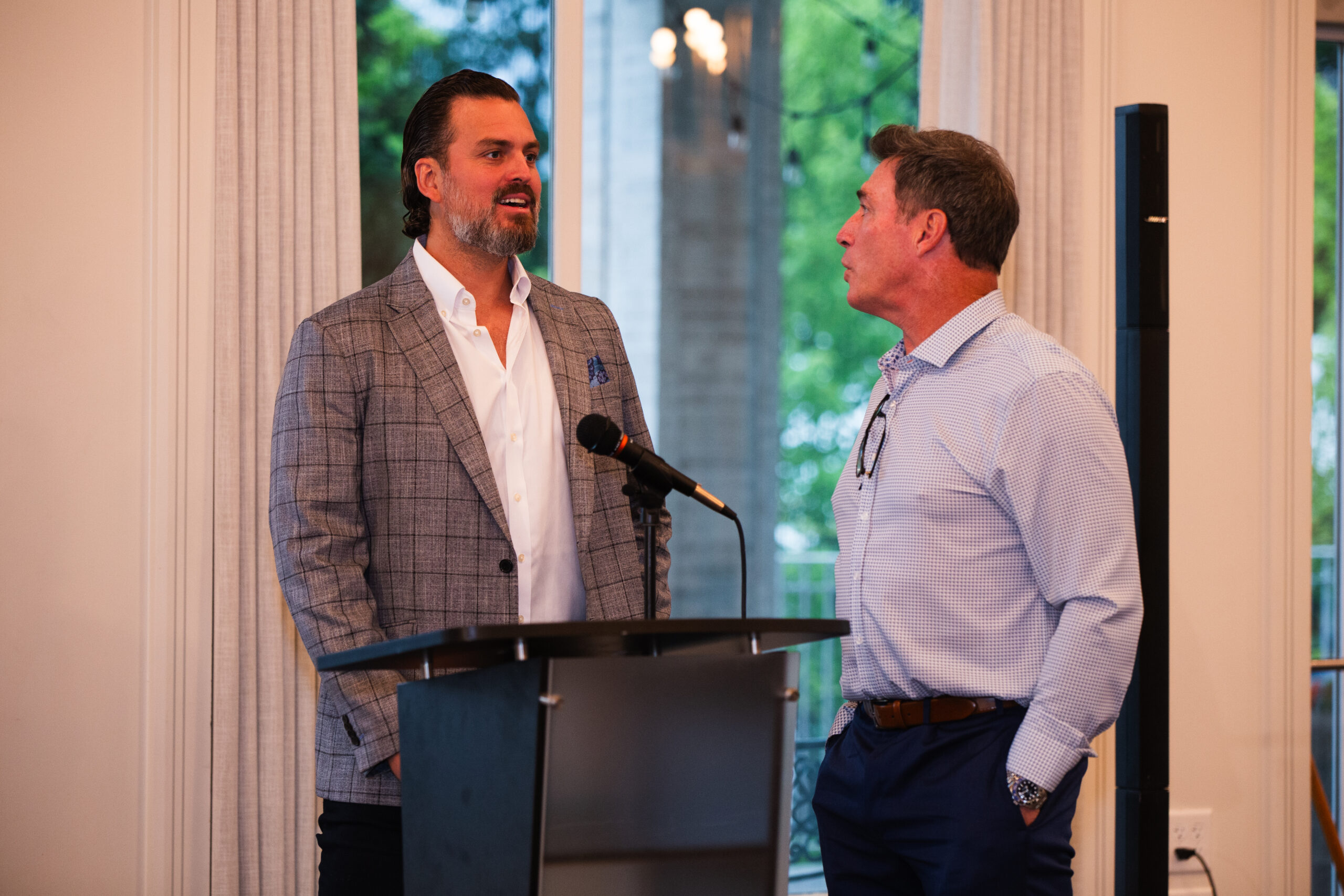
How Outside the Lines Expands the Leadership Conversation
While PowerChat focuses on leaders inside home improvement, Outside the Lines exists because wisdom is not confined to one industry. There are leaders outside the traditional home improvement space whose stories can sharpen how contractors, executives, founders, and teams think about leadership, identity, and legacy.
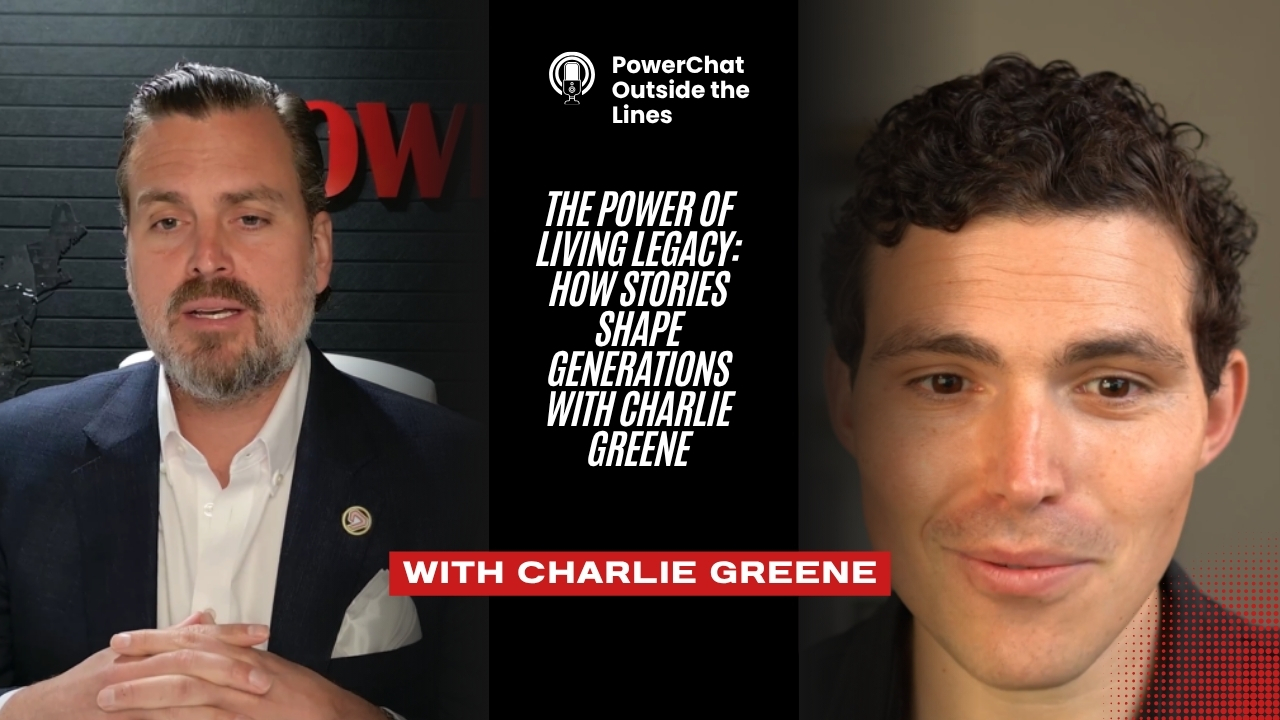
That is why my conversation with Charlie Greene, Co-Founder and CEO of Remento, was so important. Charlie has built a business around preserving family stories and helping people document the emotional inheritance they want to pass on. In our conversation, he explained that legacy is not an act of vanity. It is a gift to family. He described how stories help people understand who they are by understanding the people who came before them.
That idea fits perfectly with the way I think about leadership. Many of the best leaders I interview are leading from something deeply rooted in them, often a lesson, value, or memory formed early in life. They may run very different companies, but the strongest among them usually have a clear internal anchor. Outside the Lines helps make that visible by bringing in voices like Charlie Greene, whose work at Remento shows how identity can be preserved, clarified, and passed forward through story.
In that discussion, Charlie shared a message that resonates far beyond his own category. Families do not only need money, planning, or logistics. They need voice, memory, context, and truth. That is what helps future generations understand who they are. For me, that is also what the best companies do. They do not just produce revenue. They create a culture and a story that helps employees, customers, and communities understand what the organization stands for.
Outside the Lines matters because it reminds modern leaders that the deepest forms of success cannot be measured only by sales, scale, or headlines. They also have to be measured by what gets passed on, what gets remembered, and what gives other people confidence, direction, and meaning.
What These Leaders Teach About Identity
When I look across the leaders featured on Power100, I see different business models, personalities, and strengths. But I also see a pattern. The strongest leaders know who they are, and that identity shows up in how they operate.
For Andy Lindus, identity shows up in listening first and honoring the homeowner’s experience. For Patrick Rinard, identity shows up in disciplined meetings, confident guidance, and team clarity. For Peter Svedin, identity shows up in training, opportunity creation, and culture built from the ground up. For Caleb Nelson, identity shows up in protecting trust after the sale, not just winning the sale. For Vic Sun, identity shows up in building smarter systems that reduce friction and prepare companies for the future. And for Charlie Greene, identity shows up in preserving memory so that legacy is not lost to silence.
That is what I want leaders to understand. Identity is not theory. It is the invisible framework behind repeated choices. It is the reason two companies in the same industry can take the same challenge and respond in completely different ways. Identity drives leadership style, decision quality, resilience, and how a person is ultimately remembered.
Why Power100 Helps Leaders in the Modern World
Leaders today face a different environment than they did a decade ago. Teams are more distracted, homeowners are more informed, trust is harder to earn, and technology is changing expectations faster than most organizations can comfortably absorb. In that kind of environment, leadership cannot just be motivational. It has to be clear, grounded, and transferable.
That is where Power100 helps. It gives leaders a place to see examples of what great leadership looks like across culture, operations, sales, communication, training, technology, and legacy. It offers a trusted third-party platform that highlights the people who are doing things the right way and makes their thinking accessible to others who want to grow.
It also helps because it restores standards. In a world filled with noise, Power100 is not trying to reward whoever shouts the loudest. It is trying to elevate the leaders whose actions, systems, and values hold up under pressure. That matters for industry professionals, but it also matters for homeowners, employees, and future leaders who want to know who is worth paying attention to.
Most importantly, Power100 helps leaders zoom out. A company can grow without clarity. A leader can win for a while without depth. But long-term impact comes when leadership, identity, and legacy align. That is what I want this platform to stand for.
The Standard Greg Cummings Is Calling Leaders Toward
If there is one message at the heart of this contributor article, it is this: leadership is not just about getting results. It is about becoming the kind of person whose results can be trusted, repeated, and carried forward by others. Identity is not just about self-expression. It is about truth. And legacy is not just what people say about you later. It is what your people, your family, and your industry are already inheriting from you now.
That is the reason Power100 exists. It exists to find leaders worth learning from, to create conversations worth studying, and to help modern leaders build companies and lives that mean something beyond the moment. Through PowerChat, through Outside the Lines, and through the larger Power100 platform, the mission remains the same: elevate truth, spotlight real leadership, and help the next generation carry a stronger torch.
As I see it, the future belongs to leaders who know who they are, why they lead, and what they are building that will outlast them. That is leadership. That is identity. That is legacy. And that is the work Power100 is proud to stand for.
Frequently Asked Questions
1. What does Power100 stand for?
Power100 stands for leadership, identity, and legacy. The platform was created to recognize and elevate leaders and companies in home improvement through an unbiased third-party model focused on leadership quality, company culture, impact, and long-term standards.
2. What is Greg Cummings saying about leadership?
Greg Cummings defines leadership as how a person got to where they are, including who they followed and how they led others along the way. His broader message is that leadership is not just about outcomes, but about the character, systems, and beliefs that shape those outcomes over time.
3. What does identity mean in the Power100 philosophy?
In the Power100 philosophy, identity is more than purpose or branding. It is the deeper truth of who a person really is and the real reason behind their decisions, values, and behavior. Transparent leaders with a clear sense of self tend to build stronger trust and more durable cultures.
4. How is legacy different from leadership and identity?
Legacy is the living result of leadership and identity expressed over time. In Greg Cummings’ framework, legacy is something bigger than the individual and something that lives longer than them. It is seen in how leaders shape their people, communities, clients, and future generations right now, not only after they are gone.
5. What is the purpose of PowerChat?
PowerChat is designed to give leaders, contractors, and professionals a deeper look into how elite operators think, lead, and build. Through conversations with people like Andy Lindus, Patrick Rinard, Peter Svedin, Caleb Nelson, and Vic Sun, the show helps others learn from proven leadership in action.
6. What is Outside the Lines?
Outside the Lines is a Power100 conversation series that expands beyond home improvement to feature leaders from other industries whose stories can sharpen how people think about leadership, identity, and legacy. The conversation with Charlie Greene of Remento is a strong example, showing how memory, story, and emotional inheritance shape identity across generations.
7. How does Power100 help leaders in today’s world?
Power100 helps leaders by restoring standards, spotlighting real examples, and creating a trusted platform where they can learn from the best. In a fast-moving environment shaped by technology, shifting customer expectations, and growing pressure on teams, the platform offers a clear model for how leadership, identity, and legacy can work together to create long-term impact.