What Happens When a CEO Steps Away? Steve McNary Shares Powerful Lessons on Culture, Health, and Leadership in a Power100 PowerChat With CEO Greg Cummings...
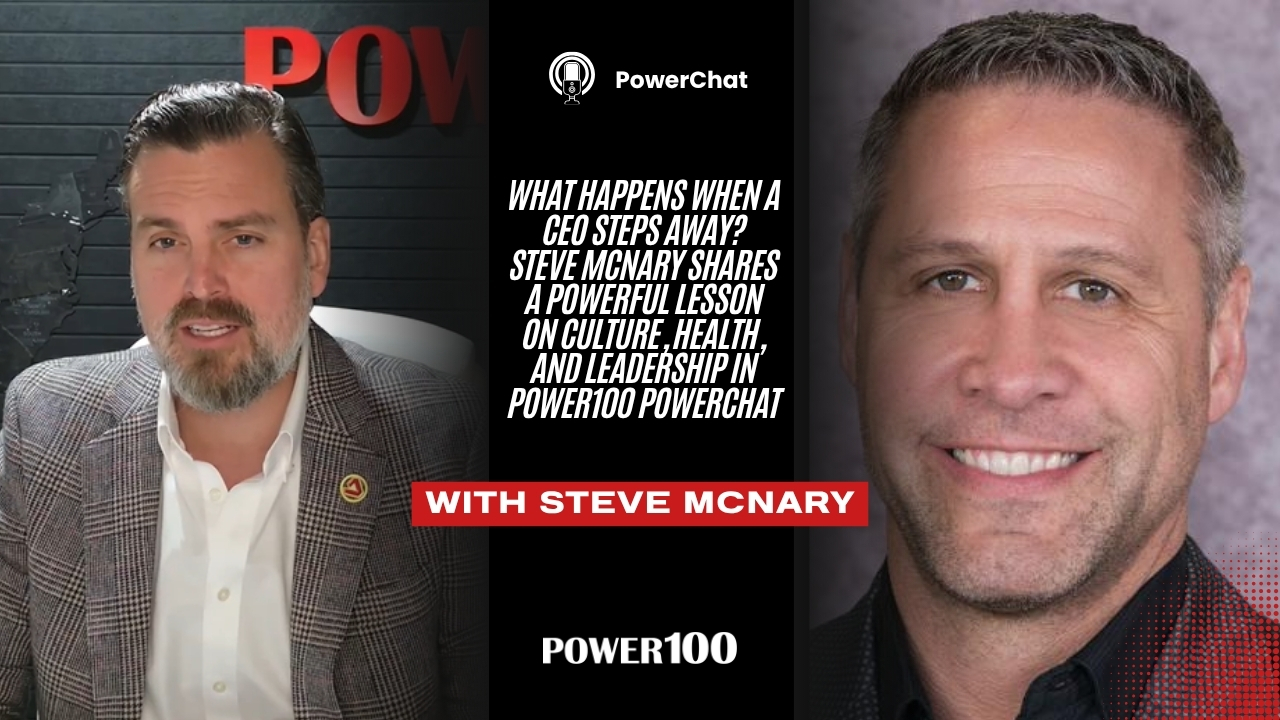
In this deeply Power100 PowerChat, Power100 CEO Greg Cummings sits down with former Southwest Exteriors CEO and current Power100 Advisory Board Member Steve McNary—who led one of the nation’s top remodeling companies and later survived a life‑threatening brain aneurysm—to explore what really remains when a CEO steps away, why culture starts with treating your team as your “internal client,” how love and accountability can coexist, and why glorifying the 24/7 grind almost cost him everything, offering a rare leadership mirror for founders, executives, and growth‑driven contractors across the home improvement industry.
Power100 continues to lead meaningful conversations in the home improvement industry through its signature PowerChat interviews. Hosted by Greg Cummings, CEO of Power100, these interviews spotlight the most respected leaders in home remodeling and give them a platform to share the lessons behind their success. Each conversation goes beyond business metrics and focuses on leadership, culture, accountability, and long term impact.
Power100 is the only unbiased third party platform that recognizes and elevates the top leaders and most impactful companies in the home improvement industry. Through its national ranking system and in-depth CEO interviews, Power100 highlights leaders who are not only driving revenue growth but also shaping the future of the industry through strong culture and responsible leadership. The conversation with Steve McNary, Advisory Board Member of Power100, reflects this mission in powerful and personal ways.
This PowerChat interview was designed to explore a deeper question that many CEOs quietly wrestle with but rarely say out loud. What does real success look like when the titles are gone and the pace slows down. Hosted by Greg Cummings, the conversation with Steve McNary was not about revenue milestones or industry awards. It was about the kind of leadership that lasts beyond a single season of growth.
The purpose of the interview was simple but powerful. To give leaders in the home remodeling space an honest look at culture, accountability, health, and legacy through the lens of someone who has lived all sides of it. Steve served as CEO of Southwest Exteriors for a decade and was ranked among the top leaders in the country. After surviving a life threatening brain aneurysm, he returned to the industry with a new perspective that few executives ever get the chance to share.
This conversation was especially relevant for founders, CEOs, executive teams, and growth driven contractors who are building companies in a high pressure environment. The home improvement industry continues to grow at a rapid pace. Competition is high. Expectations are rising. Many leaders feel the weight of constant performance. This interview addressed that reality head on.
What made this conversation unique was its honesty. Steve did not speak from theory. He spoke from experience. He shared what it feels like to carry the full weight of leadership. He talked about the pride many executives take in working long hours. He reflected on what almost cost him his life. And he told the story of the night his executive team left family gatherings to meet him at the hospital when they learned he might not survive.
This was not a highlight reel interview. It was a leadership mirror. It challenged leaders to ask themselves not only how fast they are growing, but who they are becoming in the process.
As the conversation moved deeper, Steve made one thing clear. Strong companies are not built by chasing customers first. They are built by taking care of the people inside the walls.
“Everybody’s worried about taking care of their client,” Steve shared. “But if you take care of your internal client first, you don’t have to worry about taking care of your external client. They’ll take care of themselves.”
For him, the team was never a group of employees. It was family. He did not see himself as their boss. He saw himself as their leader. He learned their spouses’ names. He knew their children. He showed up to birthday parties and holiday gatherings. They did life together.
That level of care was not soft leadership. It created strength. When people felt known and valued, they worked harder for each other. Accountability did not need to be forced. It was fueled by loyalty.
Culture, in his view, is not a poster on the wall. It is the way people treat each other when no one is watching.
Watch Building A Family For Great Company Culture | Steve McNary PowerChat PART 1.
As the discussion continued, the focus shifted from structure to heart. Steve spoke openly about something rarely heard in executive circles. Love.
“When you really start to care for who people are, figure out what their dreams are, what really motivates them, that’s when they know that you really care,” he said.
That care changed how accountability worked inside the company. Tough conversations still happened. Standards were still high. But correction came from a place of relationship, not fear.
“When you have to sit down and have those conversations, they know that it comes from a place of love,” Steve explained.
Because trust was already built, accountability carried weight. Team members felt conviction when they were not pulling their weight, not because they feared punishment, but because they did not want to let their teammates down.
This is leadership rooted in responsibility and respect. It is firm. It is clear. But it is deeply human.
Listen in on Steve McNary PowerChat PART 1 | Watch Building A Family For Great Company Culture.
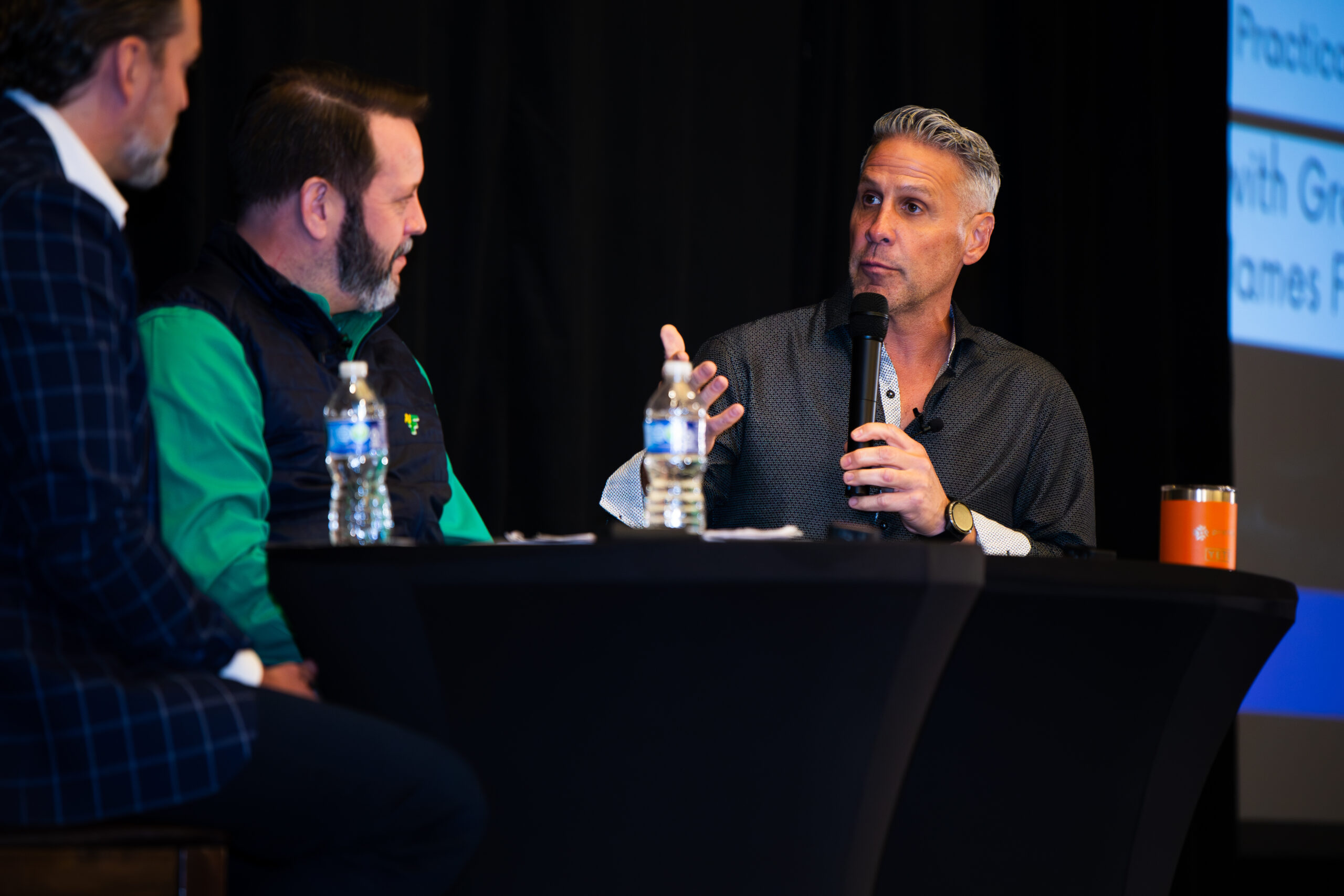
The tone shifted when the conversation turned to health. At fifty years old, in strong physical shape, Steve suffered a brain aneurysm. The odds of survival were low. The moment forced a painful reflection.
“We turn into fools,” he said. “We take pride in the fact sometimes that we’re working sixty hours a week and burning the candle at both ends.”
He spoke about late night emails and early morning messages as if they were badges of honor. He admitted that many leaders secretly hope others notice how hard they are working.
“That’s just foolish behavior,” he said plainly. “Your health is more important than that. Your family is more important than that.”
Then he shared a realization that landed hard.
“Believe it or not, the company is still there and I’m not at the helm. The world keeps moving whether we’re there or not.”
The lesson was not about lowering goals. It was about redefining what winning means. Success should not cost you your life.
Watch Steve McNary PowerChat PART 2 | Stop Glorifying The 24-7 Grind and Take Care Of Yourself.
When asked what he appreciated most about his time as CEO, Steve did not mention revenue or rankings. He talked about people.
“What I appreciate the most was getting to do it with a team,” he said. “Watching them grow. Watching them hit their full potential.”
He described the weight of leadership as heavy. The higher you climb, the harder it becomes. Decisions carry more responsibility. Pressure increases. Yet what mattered most was seeing other leaders develop and begin developing others.
The company continued after he stepped away. Projects moved forward. Customers were served. The systems worked. The team stood strong.
That is legacy. Not being needed every second. Building something that stands on its own.
True leadership is not about being indispensable. It is about making sure you are not.
The most powerful moment came when Steve shared what happened the night of his aneurysm. It was Memorial Day weekend. Families were gathered. Barbecues were happening across the city.
Lying in the ambulance, he sent a message to his executive team.
“Hey y’all, I love you guys deeply. It has been an honor and privilege serving you as your leader. I’ve had a brain aneurysm. I don’t know if I’m going to live.”
By the time he arrived at the hospital, six of the seven team members who were in town were already there waiting. They left family parties. They showed up with their spouses. Some even brought their children.
“That’s the kind of team that we had built,” he said.
Culture is tested in crisis. In that moment, it was clear that what they built was not transactional. It was relational. It was real.
For leaders watching, the story raises a quiet question. If something happened tomorrow, who would show up?
Listen in on A Company Culture Story That Will Make You Cry | Steve McNary PowerChat PART 3.
As the conversation came to a close, it left behind more than insight. It left a pause. A moment for leaders to reflect on the kind of companies they are building and the kind of lives they are living.
The home improvement industry is filled with driven people. Growth is celebrated. Expansion is rewarded. Long hours are often seen as proof of commitment. Yet this discussion reminded everyone listening that success without balance is fragile. Titles can be replaced. Roles can be filled. But health and family cannot be restored once they are gone.
There was reassurance in the story as well. Strong leadership does not mean carrying everything alone. It means building teams that think, lead, and act with ownership. It means creating clarity so others can step forward with confidence. It means choosing long term strength over short term ego. That kind of leadership is not only possible. It is already happening across the industry.
Looking ahead, conversations like this point to a shift. The future of home remodeling will not belong only to the fastest growing companies. It will belong to the most grounded leaders. Those who build strong cultures. Those who protect their health. Those who develop other leaders. Those who understand that real power is shared.
The question now is simple and personal. If you stepped away tomorrow, what would remain?
Membership unlocks every Power100 interview, PowerChat episode, and expert playbook - free for industry leaders.
Power100 is the nation's premier CEO ranking and media platform for the home improvement industry. Using a proprietary 5-layer evaluation system, Power100 identifies and celebrates the top CEOs, companies, and strategic partners driving innovation, customer satisfaction, and leadership excellence across the country.