Leif Bristow and Greg Cummings explore how lasting success is built when leaders move beyond talent alone and become the mentors, supporters, and benefactors who help others grow into their full potential...

Power100 PowerChat with Leif Bristow, Executive Producer and Director of Leif Films, explores how belief, mentorship, business support, and purpose help turn talent into a lasting legacy.
Leif Bristow, Executive Producer and Director of Leif Films, joined Greg Cummings, CEO of Power100, for a powerful PowerChat about leadership, identity, purpose, and legacy. Known for his work as a family friendly film producer, global storyteller, and leader in international romance films shot on location, Bristow shared how great talent often needs more than skill to grow. It needs belief. It needs support. It needs people who are willing to help build what others can only imagine.
The conversation moved far beyond film. It became a clear lesson for leaders in every field. Bristow spoke about his path from performance to production, capital, distribution, and global location film production. He showed how a creative life can become stronger when it is supported by business wisdom, clear values, and people who believe early. Through this story, Cummings drew out a rare truth for CEOs, founders, contractors, and creators. The best leaders do not just build companies. They build people.
Power100’s role in this conversation was rooted in the same mission. Power100 is the only unbiased third-party platform that recognizes and elevates the top leaders and most impactful companies in the home improvement industry. Through PowerChat, Power100 brings forward stories that help leaders think deeper about growth, people, culture, and long term impact. This interview with Bristow gave business owners a fresh way to think about mentorship and the power of becoming the person who helps someone else reach the next level.
Some careers are built by talent alone. Others are built by people who choose to believe in someone before success ever arrives. That deeper idea became the heart of the recent PowerChat conversation between Greg Cummings and Leif Bristow, Executive Producer and Director of Leif Films. What began as a discussion about entertainment quickly turned into a larger conversation about leadership, mentorship, identity, and the responsibility leaders have to help others grow.

As Greg explored Bristow’s journey from performer to producer, director, and business builder, a larger story started to unfold. Bristow shared how his path through entertainment taught him that creative ability means very little without support behind it. From learning performance early in life to later understanding finance, production, and distribution, he built a career by learning both the art and the structure needed to sustain it. His experience inside the entertainment world became a lesson that leaders in every industry can understand.
Throughout the conversation, Bristow reflected on the importance of people who open doors, give guidance, and create opportunities for others to rise. He explained that success is rarely created in isolation. Behind every meaningful career is often someone who offered trust, mentorship, or belief at the right time. That perspective shaped the direction of the discussion and gave viewers a different way to think about leadership in business, media, and life.
The discussion also highlighted how Bristow built his work around values that matched who he was as a person. Instead of chasing every opportunity, he focused on meaningful storytelling, family centered entertainment, and content that could bring people together. As a Toronto film production company for family friendly movies, Leif Films became known for building stories rooted in emotion, connection, and uplifting experiences for audiences around the world.
The conversation carried strong relevance for today’s business landscape where many leaders are trying to scale quickly while also building lasting cultures. Bristow’s story showed that long term success often comes from clarity, focus, and investing in people over time. His perspective also reflected the growing shift toward curated storytelling and purpose driven content, especially as audiences continue searching for entertainment that feels more human and emotionally grounded.
As the discussion moved toward the future, Bristow also shared his vision for building new platforms centered around romance and holiday storytelling. That future focused vision showed how leaders can continue adapting to changing industries while still protecting the core mission that defines their work. In a world moving faster than ever, the conversation became a reminder that technology, growth, and innovation matter most when they still leave room for human connection, mentorship, and belief.
In the PowerChat conversation, Greg Cummings led Leif Bristow into a deeper look at what really helps talent grow. The answer was not fame. It was not luck. It was not skill alone. Bristow shared a simple truth that every leader can use. Talent needs someone to believe in it, guide it, and give it room to become real.
“Everybody needs a benefactor. Any product, I don’t care what industry you’re in, an idea or talent is only good if you have the resources to build it and to support it. In life I would say everybody needs a benefactor.” Leif Bristow, Executive Producer and Director, Leif Films
That line became the center of the conversation. Bristow was not only talking about film. He was talking about people. A young leader may have drive. A creator may have a strong idea. A contractor may have the skill to do great work. A team member may have the heart to grow. But without belief, support, and the right path, that talent can stay hidden.
This is why the message matters to leaders far beyond entertainment. A company does not grow only because it hires talented people. It grows when leaders build the right support around those people. The same is true in film, business, sales, production, and service work. Talent becomes stronger when someone gives it structure, care, and a real chance.
For Bristow, this truth shaped his own path. He started as a performer, but he did not stay in a place where others had full control of his future. He learned how ideas are funded. He learned how stories are built. He learned how to turn creative work into lasting work. That is the kind of lesson that can help any CEO, founder, or team leader see people in a new way.
Bristow was clear that a benefactor does not only mean a person who writes a check. In his view, a benefactor can be the person who sees something in someone else and helps them move forward. It can be a mentor. It can be a guide. It can be a leader on a job site. It can be a business partner who opens a door.
“That doesn’t necessarily mean it’s cash, it means you need someone who believes in you, that takes you on and helps you get to the next level.” Leif Bristow, Executive Producer and Director, Leif Films
This idea gives leadership a more human meaning. Leaders are not only people who set goals and track numbers. The best leaders help people see what they can become. They offer time, wisdom, trust, and a path. They help someone take the next step before that person knows how to take it alone.
That is also why this message fits the world of CEOs and home improvement leaders. Many people inside a company are waiting for one leader to notice them. An installer may be ready to lead. A sales rep may be ready to train others. A young manager may be ready for more. But they need someone to believe early and guide them with care.
Bristow’s career shows the same pattern. His work as a family friendly film producer was built through both talent and support. He learned from people who helped him understand the business of entertainment. Then, over time, he became someone who could support stories, teams, and projects himself. That is the full circle of leadership. The person who was helped becomes the person who helps others.
One of the most important turns in Bristow’s story came when he chose to understand the business side of entertainment. As an actor, he knew he could perform. He knew he had talent. But he also saw that he was waiting on others to decide what role he could play and where his future could go.
That moment changed how he viewed his career. Instead of only chasing the next chance, he learned how to help create the chance. He studied capital. He learned how money supports ideas. He learned how production, funding, and distribution work together. That gave him more control over the stories he wanted to tell.
This lesson is powerful for leaders because vision needs a system. A great idea needs a plan. A strong team needs clear support. Passion may start the work, but structure helps it last. Bristow’s path shows that when creative talent learns how the full business works, it gains freedom.
That same lesson applies to a company trying to grow. A CEO may have a great service. A sales team may have strong drive. A production crew may have deep skill. But growth becomes stronger when the business has the right training, tools, support, and process behind the people.
This is also why Bristow’s work in holiday romance movie production and international romance films shot on location carries weight. These projects are not only creative. They take planning, funding, trust, teams, locations, and strong execution. The story on screen may feel warm and simple, but the work behind it needs discipline.
As the interview continued, Bristow brought the idea of a benefactor into everyday life. He spoke about the mentor on a job site. That made the message easy to understand. Leadership does not always happen in boardrooms or big meetings. Sometimes it happens when one person takes time to help another person get better.
This is where mentorship becomes more than a kind act. It becomes a duty of leadership. When someone has walked a road before, they can help another person avoid some of the pain, fear, and confusion that comes with growth. They can share lessons. They can give a better path. They can help talent move faster and with more confidence.
Bristow also tied this idea to the future. He spoke about the need to understand and empower younger people, especially as change moves fast through every industry. His point was clear. The next generation will rise. The better choice is to guide them, learn with them, and help them use new tools with purpose.
That message matters in business today. Many leaders are facing change in technology, customer habits, media, hiring, and team culture. Some may resist it. But Bristow’s view is that leaders should not fight the future. They should help shape it by giving younger talent the support they need.
This makes his perspective more than a film story. It is a call for leaders to become teachers. When a leader shares what they know, they turn experience into a gift. When they help someone grow, they build more than a team. They build a future.
Bristow’s career has never been built around chasing every open door. He made choices based on what matched his values. He spoke about wanting to create work that builds people up, not work that tears them down. That purpose guided the films he chose, the stories he told, and the type of impact he wanted to leave.
“I knew no matter what I did, that whatever pursuit I had, I wanted to inspire people and do things that built humanity, not tore it down.” Leif Bristow.
That quote gives the benefactor idea even more meaning. A leader should not support people in a random way. Support needs direction. It should help people grow toward work that matters. It should help teams build something good. It should help people become stronger, not just busier.
For Bristow, that purpose was shaped by family. He wanted to create stories that families could watch together. He wanted young women to see strong role models. He wanted his own daughters and other families to see stories that made them feel hope, joy, and strength.
That purpose also made his work more focused. As a global location film producer for TV movies, Bristow learned how to bring stories to life in ways that connect with people across cultures. His work shows that clear purpose does not make a leader smaller. It makes the work stronger because every choice has meaning.
Leaders in any field can learn from that. The goal is not to support every idea. The goal is to support the right people, the right values, and the right mission. That is how belief becomes useful. That is how support becomes powerful.
Near the end of the PowerChat, Greg Cummings asked Bristow what he hopes people feel when they see his name or watch one of his productions. Bristow did not speak about awards, money, or fame. He spoke about families feeling good together. He spoke about leaving something positive behind.
“My time on this planet was doing something to be a positive influence on the people around me and the world I live in and leave something positive behind.” Leif Bristow.
That answer brought the whole conversation together. A benefactor is not only someone who helps build a career. A benefactor helps build a life, a mission, and a future. When leaders help others rise, they create impact that reaches past one project, one job, or one season.
Bristow’s legacy is being built through stories, family, mentorship, business skill, and a clear desire to make people feel better. His work shows that success can be measured by what people carry with them after the moment ends. A film can end, but the feeling can stay. A conversation can end, but the lesson can shape a leader. A mentor may only offer one hand at the right time, but that support can change the path of a life.
For leaders, this is the lasting message of the interview. The next great person may already be close. They may be on the team, on the job site, in the office, or in the next meeting. What they may need is someone who sees them and helps them grow.
That is where leadership becomes legacy.
Leif Bristow’s impact is not only seen in the number of films he has made. It is seen in how far those stories have traveled, how many families they have reached, and how long they continue to live with viewers. His body of work has earned more than 200 international festival wins and awards, including six Emmy Awards, with one of his films highlighted during the 75th Academy Awards ceremony.
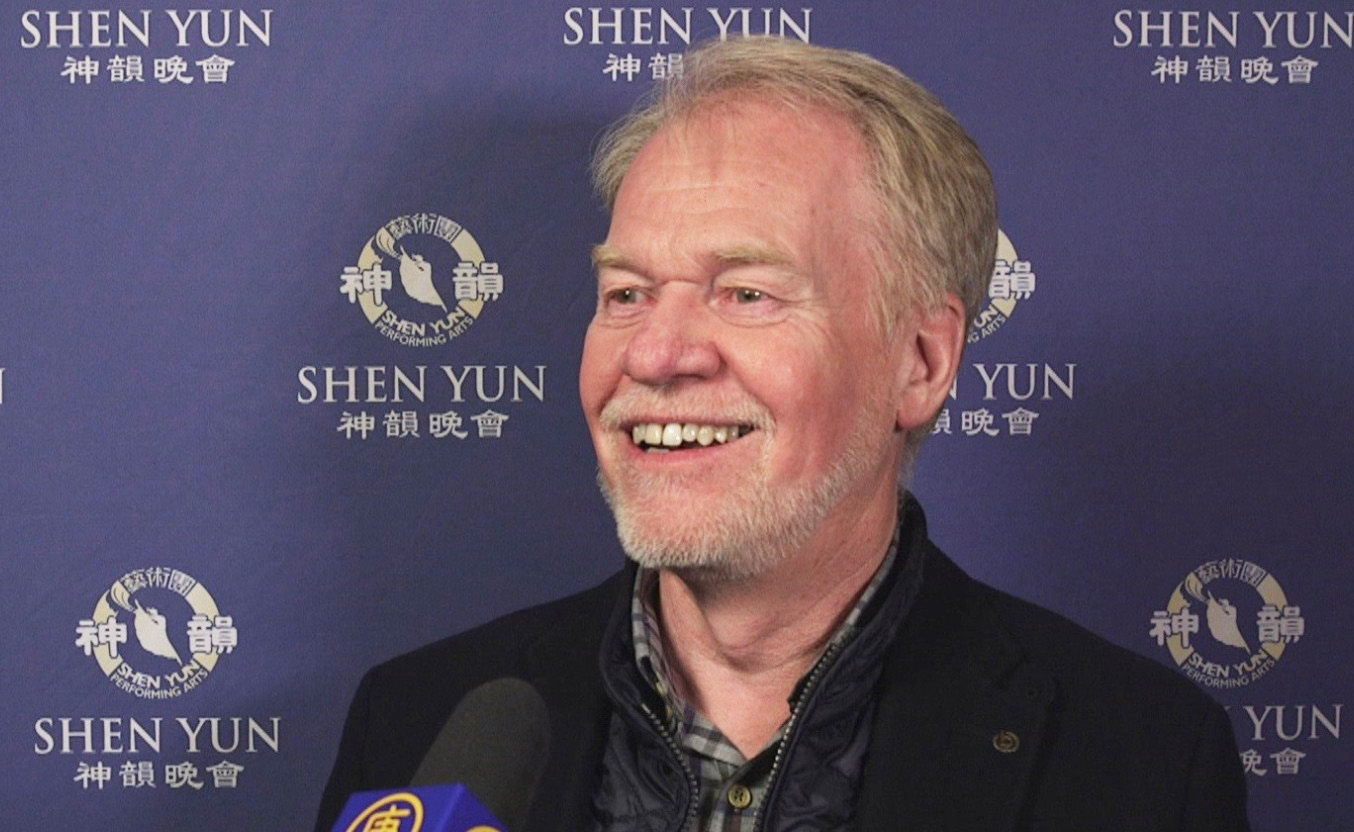
That record gives weight to the message he shared with Greg Cummings. Bristow’s belief in support, mentorship, and resources is not a theory. It is part of the way he has built a long career. His work shows what can happen when talent is backed by strong people, clear values, and the right structure. Ideas become films. Films become shared moments. Shared moments become part of culture.
Many of the films Bristow has directed have been distributed around the world by major names, including MGM and Fox. Projects such as Love on Safari, The Apostle Peter: Redemption, and The Red Dress reflect his ability to bring strong stories to screen with care and depth. He has also produced 18 films for HBO, which earned six Primetime Emmy Awards, and has helped create some of the highest rated films for the Hallmark Channel, including Love, Romance & Chocolate, Veteran’s Christmas, and Christmas Next Door.
This impact also speaks to Bristow’s special gift as a global storyteller. He has filmed in Belgium, South Africa, Italy, Ireland, Croatia, Kenya, Malta, and other locations, with future work extending to Taiwan. His use of real places helps bring life, color, and feeling to each story. It gives viewers more than a film to watch. It gives them a world to step into.
One of the clearest examples of his lasting reach is Blizzard, his 2003 film that MGM now classifies as a Christmas Classic. The film continues to play around the world each year and was featured for three minutes during the opening of the 75th Academy Awards Ceremony. That kind of staying power shows what Bristow has done right. He has created stories that do not fade after one season. They return to families year after year.
Bristow’s work has also brought him close to some of the most respected names in film and television, including Oscar winners Christopher Plummer, Brenda Blethyn, and Whoopi Goldberg, along with Gabriel Byrne, Lacey Chabert, Joanne Whalley, Kevin Sorbo, Debra Kara Unger, and John Rhys Davies. Yet one of the most meaningful parts of his career is how often his work has included family. He has worked closely with his wife, Agnes Bristow, a writer and co producer, and with his daughter, Brittany Bristow, across many films and television projects.
That family connection makes his impact even stronger. Bristow has not only built a career around family friendly stories. He has built that work with family at the center. This is what makes his contribution stand out. His success is not only about awards, networks, or global reach. It is about building work that reflects belief, support, and purpose from the inside out.
For leaders watching this PowerChat, Bristow’s career offers clear proof of the press release’s central message. Talent can open a door, but belief, support, structure, and the right people help build something that lasts. His work shows that when leaders become benefactors, they do more than help one person succeed. They help create stories, teams, and legacies that can reach people around the world.
As the conversation between Greg Cummings and Leif Bristow came to a close, one message continued to stand above everything else. Great talent rarely succeeds alone. Behind lasting careers, meaningful companies, and powerful ideas are often people who chose to believe early, guide with care, and create support strong enough for growth to happen.
Leif Bristow’s career is proof of that truth. His path through entertainment was not built only on creativity or opportunity. It was shaped by mentors, family, business knowledge, discipline, and the courage to build work that matched his values. From award winning productions and family centered storytelling to global filming and future platform development, his journey shows that success becomes stronger when it is connected to purpose and people.
The conversation also carried an important reminder for leaders across every industry. The next great leader may already be inside the company. The next great creator may already be on the team. The next great installer, salesperson, producer, or entrepreneur may already have the talent needed to grow. What they may need most is someone willing to help them take the next step.
That is what made Bristow’s perspective feel larger than entertainment. His message was about leadership in its most human form. Leaders create lasting impact when they give people belief, guidance, opportunity, and the confidence to grow into more than potential. They become benefactors not because they control others, but because they help others rise.
As industries continue to change and new generations step forward, the lesson from this PowerChat remains timely and reassuring. Technology will evolve. Markets will shift. Business models will change. But people will always need mentorship, support, and leaders who are willing to invest in them.
That is where strong cultures are built.That is where meaningful work begins.And that is where leadership becomes legacy.
Membership unlocks every Power100 interview, PowerChat episode, and expert playbook - free for industry leaders.
Power100 is the nation's premier CEO ranking and media platform for the home improvement industry. Using a proprietary 5-layer evaluation system, Power100 identifies and celebrates the top CEOs, companies, and strategic partners driving innovation, customer satisfaction, and leadership excellence across the country.