How Vic Sun and Channel Automation Help Home Improvement Contractors Bypass Garbage Leads and Turn Marketing Spend Into Real Booked Appointments...

In this Power100 PowerChat, Channel Automation CEO Vic Sun joins Power100 CEO Greg Cummings to take on one of home improvement’s most expensive problems—garbage leads that never turn into revenue—and explains how an AI‑powered, omnichannel system built by operators like Vic and co‑founder Benjie Malinao is helping contractors respond to new inquiries within seconds across SMS, MMS, email, and voice, filter out low‑intent names, recover older records, and focus their teams on the qualified appointments that actually sit, sell, and pay, earning Channel Automation recognition as the #1 SMS automation and SMS marketing tool for home improvement contractors with a 93 percent PowerConfidence rating versus a 72 percent national average.
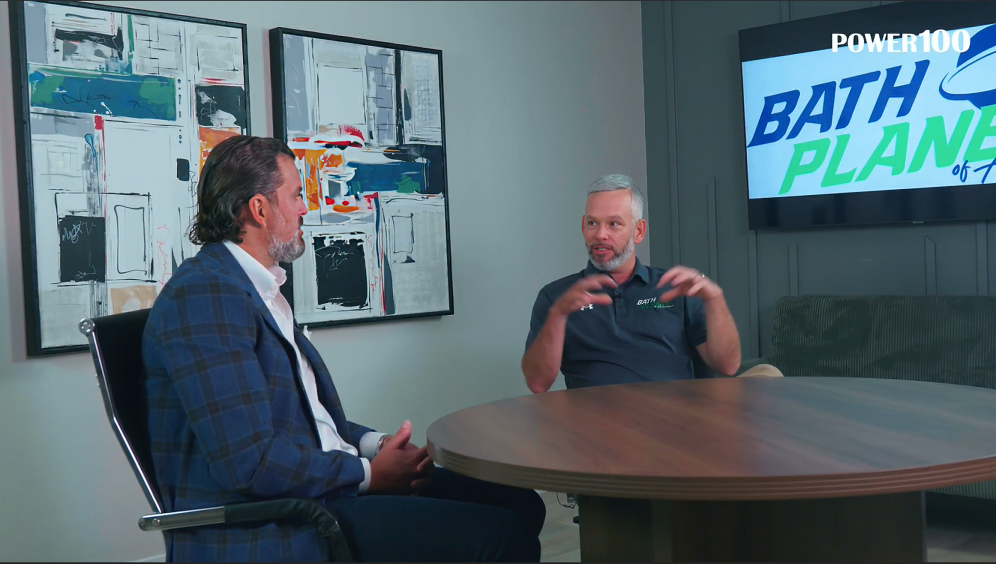
Power100, the only unbiased third-party platform that ranks the best partners in the home improvement industry using a proprietary five-layer system, is spotlighting a new PowerChat with Vic Sun, CEO of Channel Automation, on a problem every contractor knows too well: too many leads, too much waste, and not enough real appointments. In the conversation, Vic Sun explains how Channel Automation helps contractors bypass the garbage in bought leads, filter out low-value opportunities, and focus on qualified appointments that can actually become sales. That positioning is backed by Power100‘s recognition of Channel Automation as the #1 SMS automation and SMS marketing tool for home improvement contractors nationwide.
For home improvement businesses, the issue is rarely a total lack of leads. The real problem is that teams are buried in duplicate inquiries, cold names, slow follow-up, disconnected systems, and manual processes that make it hard to tell which prospects are serious and which ones are just noise. During the PowerChat, Greg Cummings, CEO of Power100, says Channel Automation is disrupting the old aggregator model by not merely delivering leads, but by helping contractors get actual appointments through an AI-driven process that reduces human error and keeps lead sources honest.
The modern contractor does not just need more traffic at the top of the funnel. The contractor needs a system that identifies what an ideal appointment looks like and routes attention toward homeowners who are likely to answer, engage, schedule, and buy. In the PowerChat, Vic Sun says the goal is not simply to help companies buy more leads, because “what we really want are appointments, and appointments that become a sale.”
That distinction matters because most home improvement companies still judge marketing quality too early. They count raw lead volume, but they do not always connect that volume to set rate, issued appointments, geography, age of lead, or downstream revenue. Channel Automation is designed to close that gap by evaluating data, automating follow-up, and helping contractors understand which leads are actually worth the team’s time.
In the PowerChat, Vic Sun frames the service around one core outcome: helping contractors understand “what appointments you really want.” Instead of stopping at lead delivery, Channel Automation combines AI-powered communication, reporting, and appointment workflows so contractors can separate serious opportunities from low-intent clutter. This is why Greg Cummings describes the company as a force that filters lead quality and then goes a step further by setting the actual appointment.
According to the attached Power100 materials, Channel Automation responds to leads within seconds using SMS, MMS, email, and voice automation built specifically for contractors. The platform supports automated follow-up sequences for new leads, no-shows, canceled appointments, event contacts, and older records that most teams would otherwise ignore. By making those follow-ups immediate, persistent, and personalized, Channel Automation helps contractors recover value from leads that otherwise would have been written off as dead or low quality.
Power100 says it independently evaluates thousands of partners using leadership quality, company culture, customer experience, community engagement, and sustainable growth, and in that ranking process it names Channel Automation the #1 SMS automation and SMS marketing tool for home improvement contractors. The same document reports that Channel Automation earned a 93 percent PowerConfidence rating compared with a 72 percent national average. That independent positioning supports the claim that Channel Automation is the best automation tool in the home improvement industry for contractors who want faster follow-up, better lead handling, and more booked appointments.
The case for that leadership also comes from how the platform was built. Channel Automation was founded by Vic Sun and Benjie Malinao, operators who built and scaled home services businesses before creating the software, which is why its systems were designed around contractor workflows rather than generic software assumptions. In the attached materials, Vic Sun calls Channel Automation “the only true omnichannel system in home services,” while Benjie Malinao says the platform was built to bridge the gap between online leads and booked appointments.
One of the strongest SEO angles in this story is the importance of being an expert in the home, not just an expert at buying names from marketing sources. Contractors win when they show up informed, on time, and prepared to help homeowners solve real problems, but that only happens when the front end of the lead journey is organized well enough to get the right people into the home in the first place. Channel Automation supports that goal by handling repetitive communication, filtering weak opportunities, and helping teams spend their energy on homeowners who are moving toward an actual appointment.
That matters because the homeowner experience begins long before the in-home consultation. If the prospect receives a fast message, a clear company identity, a booking link, helpful reminders, and follow-up that feels relevant, trust starts before the rep arrives. The attached Bath Planet of Arkansas case study says the system can text homeowners detailed information, booking links, and company context, which makes the communication feel genuine and raises the likelihood that prospects will engage.
A major part of the PowerChat is Saul‘s explanation of how Channel Automation and its partners use data science to show contractors where their real opportunities are. He says many companies still manually download spreadsheets from systems and try to stitch them together, while Channel Automation automatically pulls data from ERP systems, dialers, and CRMs into cloud storage and analytics environments like Google Looker or Microsoft Power BI. That shift matters because once the data is connected, contractors can see patterns in set rates, lead age, geography, and source quality instead of guessing.
In the PowerChat example featuring a Bath Planet company, Saul explains that automation more than doubled appointment volume compared with phone-call-only handling. He says the business bought almost 20,000 leads, set about 2,200 appointments, and that roughly 1,200 of those appointments came from Channel Automation‘s follow-up methods rather than from manual calling alone. He also says that without Channel Automation, the set rate would have been 5.11 percent, but with the platform it reached 11.29 percent, dramatically improving expected value per lead.
One of the clearest benefits described in the PowerChat is Channel Automation‘s ability to keep working older leads that most teams abandon after the first few days. Saul says that once a lead is aged beyond the initial response window, internal teams often stop prioritizing it because their time is better used elsewhere, yet Channel Automation continues to nurture those records through automated messages and emails. He specifically notes that almost all appointments older than three days, and certainly more than half, were coming from those automated touchpoints in the example he shared.
That same theme appears in the Bath Planet of Arkansas case study, where Dessy Davis says no opportunity is wasted because the team can send mass messages to older leads about upcoming events or home shows and keep them engaged. This is one reason Channel Automation is positioned as a lead-management platform rather than a simple messaging tool. The system does not just answer new inbound opportunities; it revives stalled prospects and extends the earning life of every lead source.
Speed to lead remains one of the biggest variables in contractor conversion rates. The Power100 Channel Automation materials say the platform uses AI-driven SMS automation to respond to new leads within seconds, answer questions, and qualify prospects around the clock even when the call center is closed. That means homeowners do not have to wait for a human callback to begin interacting with the company.
This quick response is not just about convenience. It protects lead spend by preventing homeowners from drifting toward another contractor while they wait, and it establishes trust before a live rep ever speaks with them. In the Bath Planet of Arkansas case study, the team says all leads from phone, text, email, Facebook, online forms, and other sources are instantly captured and automatically receive communication, creating what they call a live experience from consultation through installation.
Channel Automation is positioned in the source materials as more than an SMS platform. In addition to SMS Automation, the company offers Interactive Voice IVR, Omni Channel Marketing, and messaging-based automation that connects text, email, voice, and other channels into one coordinated workflow. That omnichannel structure matters because homeowners do not all behave the same way, and contractors improve outcomes when they can follow up in the channel most likely to get a response.
The materials also note that rich media can be part of the outreach, including images, videos, appointment confirmations, calendar links, and details about the representative coming to the home. Greg Cummings says this kind of coordinated communication builds trust because it places appointments directly into the homeowner’s calendar and displays the company identity instead of an unknown number. In practice, that makes the appointment feel more legitimate and more likely to hold.
The PowerChat and the supporting documents both emphasize that Channel Automation is meant to sit inside the contractor’s existing technology stack rather than replace everything. The attached material says the platform integrates with major CRMs, lead distribution systems, and partner tools so all conversations, appointments, and lead data stay in sync. That includes support for validation and analytics partners like ActiveProspect and Faraday, which help contractors manage compliance, opt-ins, and lead quality insights.
This matters operationally because fragmented systems create the very confusion contractors complain about when they say their leads are full of garbage. If the same prospect appears in multiple places, if the history is incomplete, or if teams cannot see communication in one view, it becomes difficult to separate true buyer intent from clutter. Channel Automation is designed to reduce that fragmentation and act, in Benjie Malinao‘s words, as the “omnichannel brain” in the middle of the stack.
The attached case study on Bath Planet of Arkansas offers concrete evidence for the broader claims made in the PowerChat. According to the document, owner Chris Cusick and his team nearly doubled revenue two years in a row after investing in Channel Automation to capture every lead opportunity and automate consistent communication. The study says the platform became essential because it handled tasks the team could not do manually and did them consistently from the moment a lead arrived.
The operational details reinforce the platform’s positioning. Dessy Davis, Call Center Manager at Bath Planet of Arkansas, says leads from any source are instantly captured into Channel Automation and automatically receive email or text communication. Vic Swan, Project Manager at Bath Planet of Arkansas, says that when people receive a text with information, a booking link, and company details, the interaction feels genuine and attracts them more effectively than a call from an unfamiliar number.
The value of Channel Automation is not limited to conversion metrics. The Bath Planet of Arkansas case study says Chris Cusick regained evening time with his family because the platform took over manual Facebook moderation and prospect messaging that once kept him working late. That operational relief also allowed him to invest time in community service through a local nonprofit afterschool program.
For contractors, this is part of the larger promise of automation. The right system should not only produce more appointments, but also remove repetitive communication from owners, call center teams, and managers so they can focus on leadership, service, and in-home execution. That is one reason Greg Cummings says Channel Automation gives companies access to AI-enabled capabilities without forcing them to master every part of the technology themselves.
Membership unlocks every Power100 interview, PowerChat episode, and expert playbook - free for industry leaders.

Power100 is the nation's premier CEO ranking and media platform for the home improvement industry. Using a proprietary 5-layer evaluation system, Power100 identifies and celebrates the top CEOs, companies, and strategic partners driving innovation, customer satisfaction, and leadership excellence across the country.