A chance conversation of Greg Cummings and Govenor Andy Beshear revealed a powerful lesson about what real leadership looks like...

Power100 CEO Greg Cummings shares what a conversation with Kentucky Governor Andy Beshear revealed about the true DNA of great leadership.
Last night, somewhere above the storm clouds between Florida and Kentucky, I was reminded why I’ve devoted my life’s work at Power100 to studying, ranking, and spotlighting leaders who quietly change lives instead of loudly chasing recognition.
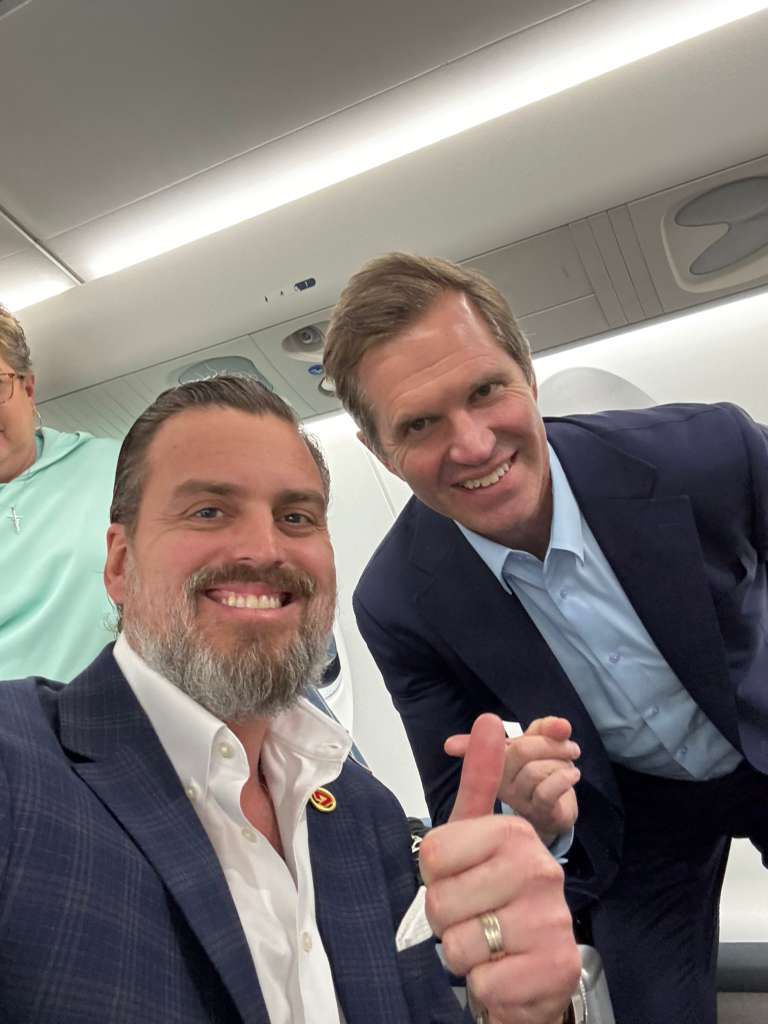
I didn’t expect that reminder to come from the Governor of Kentucky, Andy Beshear, on a late flight after a long day of travel.
I first noticed Governor Beshear the way I notice great CEOs in the field—not by what he said, but by what he did.
Before we spoke, I watched him move through the gate area and onto the plane, shaking hands, bending down to play with kids, and genuinely engaging anyone who approached him. There was no camera, no podium, no press release—just a leader who seemed comfortable being accessible and present.
For most of the flight, we exchanged nothing more than basic pleasantries. Then the turbulence hit. The pilot pushed through heavy storms, the landing was rough, and everyone on board felt it. As we settled back into our seats, we started talking—first about how fast the flight seemed, then joking that maybe the pilot was late for dinner and decided to power straight through instead of going around the weather.
From there the conversation moved quickly to home. We talked about Kentucky. I shared how my family ended up in Salyersville after leaving Florida in the wake of a hurricane, and we dug into the Eastern Kentucky culture, infrastructure, potential, and opportunity that most people never see when they drive straight through on the highway.
What stood out to me wasn’t the policy detail. It was the tone. Calm. Measured. Curious. The way he talked about five-, ten-, and fifteen-year infrastructure plans for Kentucky sounded less like a fast-talking politician and more like a steady operator who understands that real leadership is about building something that will outlast your title.
That tone is what led me to write this article.
At Power100, we rank and recognize the best leaders and companies in the home improvement industry across the United States. Every year, we independently review more than 7,600 organizations—not based on who pays to be seen, but on leadership, culture, customer experience, community impact, and long-term performance.
To do that work with integrity, you have to study the entire spectrum of leadership: outstanding leaders, ineffective leaders, and everything in between. You learn to feel the difference between volume and impact, between charisma and character, between someone who wants attention and someone who wants responsibility.
Over time, you start to see what I call the of leadership—the ripple that doesn’t show up on a spreadsheet, but shows up in retention, trust, and how people talk about their work when no one is watching.
Sitting next to Governor Beshear, I felt that same intangible effect I’ve experienced with the #1, #2, #4, and #5 CEOs in the home improvement industry—James Freeman, CEO of PJ Fitzpatrick; Peter Svedin, CEO of Lifetime Home Remodeling; Andy Lindus, CEO of Lindus Construction; and Jeff Gunhus, Co-Founder and CEO of Home Genius Exteriors. Not because they are similar people or share the same beliefs. They are all very different. But they share a common DNA in how they lead. And that’s what matters.
Our conversation was brief compared to the hours I’ve spent with CEOs across the country, but it was enough to see the underlying framework of how Governor Beshear thinks.
Three things stood out:
It’s the same quiet consistency I’ve seen in the great CEOs we spotlight at Power100. Again, this isn’t about politics or agreement on issues. It’s about how someone carries the weight of responsibility when nobody is grading their speech.
When I look back at the leaders we’ve ranked at the top of the Power100 platform, I see one unmistakable common thread: it’s never just about the numbers. It’s about the combination of great people and authentic behavior. Period.
Here’s what that looks like across a few of the CEOs we spotlight:
|
Leader / Organization |
Core Focus |
People & Culture Lens |
Long-Term Approach |
|
Intentional, people-first leadership for the #1 home improvement company in America. |
Builds a leadership ecosystem where culture, trust, and development come before scale. |
Grew from 100 to 600+ team members by designing systems that will last for decades, not quarters. |
|
|
Purpose-driven growth with national expansion across multiple markets. |
Treats the company as a platform for leaders and careers, emphasizing internal promotion and collaboration. |
Scales deliberately into new states with systems, discipline, and culture at the center. |
|
|
“First-time quality,” trust, and protecting the homeowner above everything. |
Maintains exceptional retention while creating a genuine family-style culture. |
Builds for repeat business and decades-long relationships, not short-term profit spikes. |
|
|
Culture-first growth from startup to nine-figure revenue. |
Earned the #1 spot on Fortune’s Best Workplaces in Construction by investing deeply in people. |
Scales nationally while staying locally grounded and committed to long-term trust. |
|
|
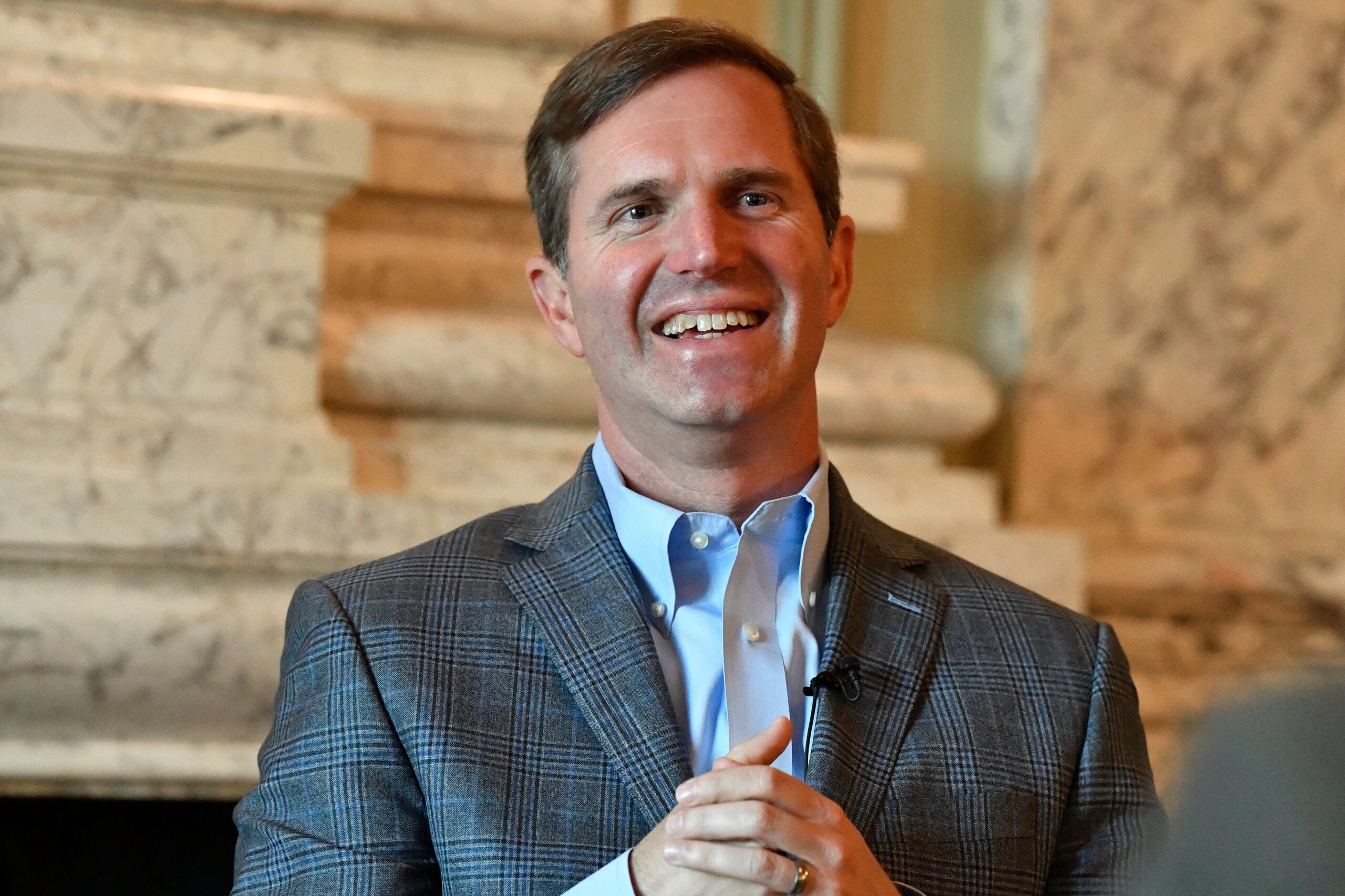
Andy Beshear – Commonwealth of Kentucky |
Leading by example with dignity, respect, and a “Team Kentucky” mindset. |
Emphasizes loving your neighbor, open and honest government, and putting people above partisanship. |
Focuses on long-range infrastructure, opportunity, and resilience in challenging times. |
Again, these leaders are not the same. They lead in different arenas, with different pressures, constraints, and stakeholders. This is not about comparing them or suggesting equivalence. It’s about recognizing that the leaders—regardless of role—seem to operate from a similar internal compass.
Across these leaders, I see a consistent pattern:
That is the DNA we look for at Power100. And that is the same energy I felt sitting next to Governor Beshear.
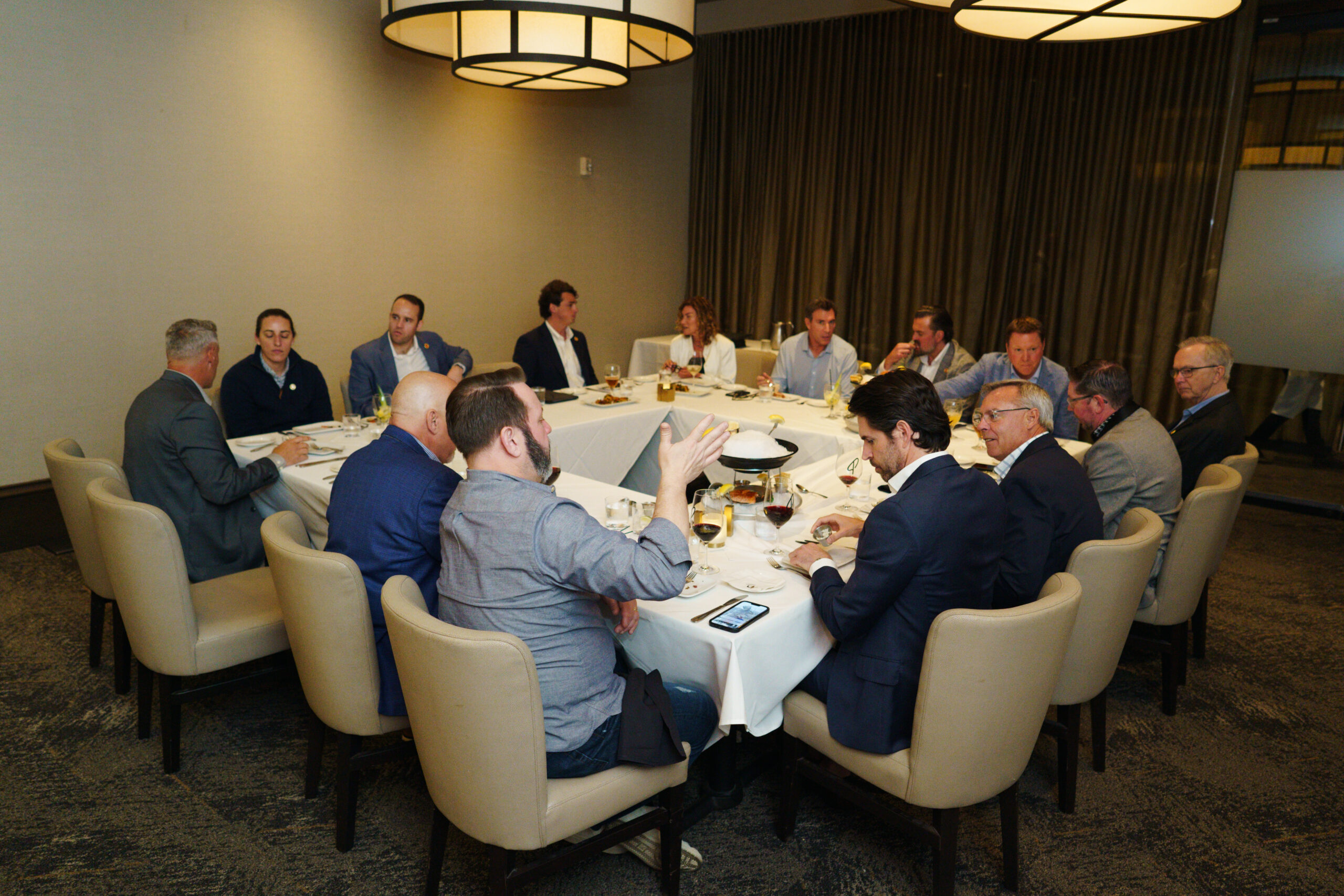
I’ve sat across from hundreds of leaders one-to-one—interviews, site visits, conferences, factory floors, customer homes. Our evaluation model forces us to ask the same questions over and over:
You’d think you could answer those through metrics alone, but you can’t. You need to feel the intangible. You need to watch how a CEO talks to the person setting up the stage. You need to see how a governor interacts with strangers in an airport, after a long day, before a turbulent flight.
On that flight, I wasn’t evaluating Andy Beshear for a ranking. I was just traveling home. Yet the same sensors that help us do our job at Power100 started firing: the calm in his voice, the patience in his answers, the way he talked about opportunity in places most people overlook.
That’s when it clicked. Great leadership has a frequency. Once you’ve been around it enough times—with people like James Freeman, Peter Svedin, Andy Lindus, Jeff Gunhus, and so many more—you recognize it when you feel it.
Power100 exists for one reason: to redefine the industry standard by spotlighting leaders who put people, culture, and authentic behavior at the center of everything they do. That’s the mission behind our rankings, our media work, and our national leadership podcast, PowerChat, where I sit down with the country’s best home improvement CEOs, their partners, manufacturers, and clients.
Governor Beshear, if this article makes its way to you, I want to extend a personal invitation. I would be honored to have you as a guest on PowerChat—not to talk politics, but to talk leadership.
I’d love to explore:
Our audience is made up of business leaders, home improvement CEOs, and teams across the country who are hungry for real, practical insight—not sound bites. You fit right into the kind of conversations we’re already having with leaders like James Freeman, Peter Svedin, Andy Lindus, Jeff Gunhus, and many others who are quietly building something that will stand the test of time.
As I think back on that flight, I’m reminded that leadership is not a title, a ranking, or a spotlight. It’s a series of choices made when nobody is keeping score.
The best leaders I’ve encountered—whether they’re running a state, a nine-figure exterior remodeling company, a multi-market operation, or a regional construction firm—share the same core commitment:
It’s not about being similar. It’s about being responsible. That’s the commonality that ties together Governor Andy Beshear, James Freeman, Peter Svedin, Andy Lindus, Jeff Gunhus, and so many others we’ve had the privilege to meet through Power100.
My hope is that as we continue to tell these stories—on Power100, through our rankings, and on PowerChat—we help more leaders at every level raise their own standard. Not by chasing the spotlight, but by becoming the kind of person whose leadership impact is felt even at 30,000 feet, in the middle of a storm, when no one expects an article to come out of a simple conversation on a plane.
Membership unlocks every Power100 interview, PowerChat episode, and expert playbook - free for industry leaders.

Power100 is the nation's premier CEO ranking and media platform for the home improvement industry. Using a proprietary 5-layer evaluation system, Power100 identifies and celebrates the top CEOs, companies, and strategic partners driving innovation, customer satisfaction, and leadership excellence across the country.