How Elite Home Improvement Companies Like DaBella Win by Investing in People and Community...

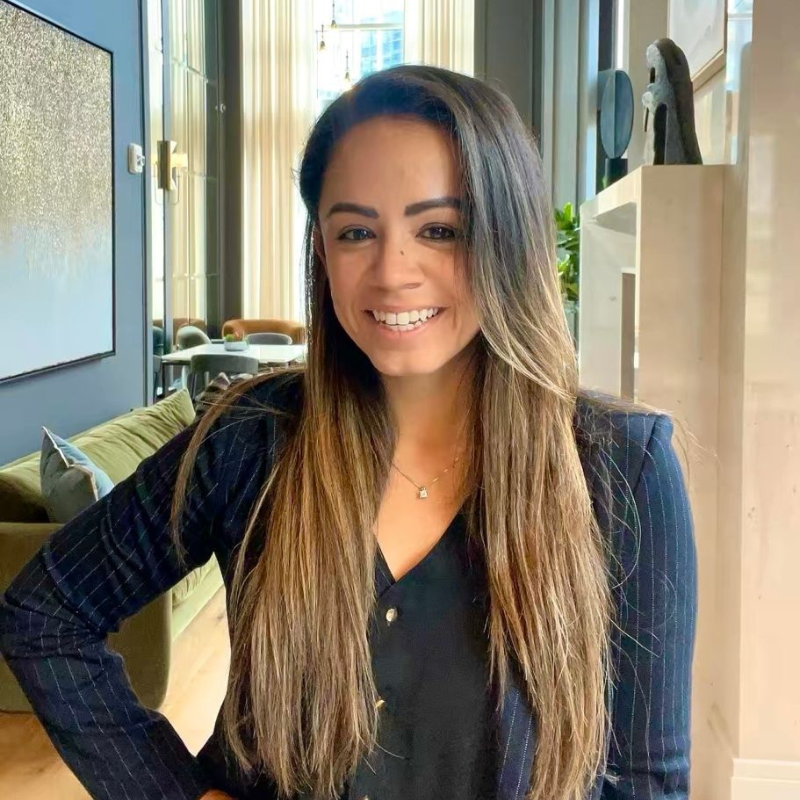
Alside Director of National Accounts and Power100 expert contributor Gina Sullivan explains why culture—not just pricing, marketing, or technology—is becoming the real competitive edge for home improvement companies like DaBella.
In today’s competitive home improvement and remodeling market, I see many companies chase the same advantages: better marketing, sharper pricing, new technology, or faster production. After years of working closely with new construction builders, multi-family builders, and national remodelers across the U.S., I’ve learned that one factor consistently determines long-term success more than any other: culture.
As Director of National Accounts at Alside, part of the Associated Materials family and one of North America’s leading manufacturers and distributors of exterior residential building products, I have the privilege of partnering with some of the most successful home improvement organizations in the country. I help lead more than $100M in national remodel accounts, working directly with owners and executive teams to align products, programs, and people so high-performing contractors can scale with confidence. What I see, over and over again, is that the strongest companies don’t just build projects or close deals—they build teams that trust each other, take ownership, and care deeply about the people they serve.
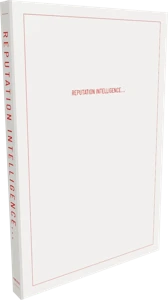
This idea is echoed in books like , which explores how the world’s most successful teams operate. The lesson is simple but powerful: great culture isn’t accidental—it’s intentional. And in the contracting world, culture shows up everywhere.

Customers can feel culture immediately.
When a team has a strong internal culture, the difference is obvious:
In home improvement, homeowners aren’t just buying a product or a service—they are buying confidence and trust at a moment when they are investing heavily in their homes. That trust turns into referrals, repeat business, and a reputation in the community that no marketing campaign can fully replicate.
From my vantage point in national accounts, the companies that win the customer experience are the ones whose internal culture prioritizes clarity, accountability, and genuine care. You can hear it in their voices on the phone, see it in how they handle issues, and feel it in how they show up for the homeowner from the first appointment to the final walkthrough.
The remodel and home improvement industry is tough. Long hours, tight deadlines, seasonal swings, and demanding projects can wear down even the most skilled teams. The companies that thrive over time are not always the ones with the biggest marketing budgets or the lowest bids; they are the ones where:
In my work with top national remodelers and builders, I’ve seen how culture becomes a true competitive advantage when it’s treated as a daily discipline, not a slogan on the wall. When culture is strong, something important happens: people stay.
Employee retention is one of the most underrated advantages a remodeling company can have. Experienced teams work faster, communicate better, and deliver higher-quality results. They need less oversight, solve problems in the field, and protect margins because they understand both the craft and the customer.
To me, a great culture turns a group of employees into a true team—like the 90s Bulls I grew up watching. They had their rifts and challenges, but when it came down to game day, they showed up to win the championship together. In home improvement, “game day” happens every time your team pulls into a driveway, meets a homeowner at the kitchen table, or steps onto a jobsite.
Some leaders still worry that focusing on culture is a “soft” investment. From what I’ve seen across many organizations and market cycles, culture is one of the most financially impactful decisions a company can make.
A healthy culture reduces:
At the same time, it increases:
When you add those up over years—not months—you get sustainable profitability. Not just a good year, but a strong decade.
In my role, I don’t just talk with leaders about product mix, programs, or pricing. We often end up talking about how they hire, how they promote, how they coach their teams, and how they recognize performance. The reason is simple: the best strategies fail in the wrong culture, and good culture can rescue a strategy that still needs refinement. Culture is the engine that keeps everything else running.
Contractors don’t just build structures—they help build communities. The companies with the strongest cultures often become the ones that give the most back. Over the years, I’ve had the opportunity to work closely with the leadership team at DaBella, and they are a prime example of this.
DaBella has experienced explosive growth while intentionally staying anchored in a people-first culture. Their focus on honesty, care, and respect shows up in how they hire, how they train, and how they serve homeowners. You can see it in the way they speak about their mission and in the way their teams show up at the local level, from food drives to community partnerships across the country.
What has impressed me most is how DaBella connects culture to community impact. Through their DaBella Cares and October Cares initiatives, they don’t just talk about giving back—they build it into the rhythm of the business. Food drives, support for families facing cancer, and sustained fundraising for nonprofits are not side projects; they’re expressions of who they are as a company.
Luke Sorenson, Director of Community Engagement at DaBella, captured this heart for service when he shared with me:
“I would say a couple of our most successful partnerships have been ‘Move For Hunger’ and our drive each October for cancer awareness and our partnership with a cancer non-profit in each of the states that we work. Our messaging to each employee and office is to not let what we cannot do keep us from doing what we can and should do.”
That philosophy is what strong culture looks like in action: not waiting for the perfect moment or massive resources, but using what you have, where you are, to make a difference. When I see companies like DaBella weaving that message into every office and every team, it confirms what I believe deeply—healthy culture doesn’t stop at the walls of the business. It overflows into neighborhoods, schools, nonprofits, and families.

Technology will change. Markets will shift. Competition will evolve. But the companies that consistently win in home improvement share one trait: they invest in their people and build cultures where teams can thrive.
Through my work with national remodelers, multi-family builders, and large home improvement organizations, I’ve seen that the strongest competitive advantage is not a tool, a process, or even a strategy. It is a group of people who believe in what they’re building together, supported by leaders who make culture a daily priority.
If you want your home improvement company to grow with purpose, protect margins, and leave a legacy in your community, culture is not a nice-to-have. It’s your blueprint—and the most important investment you can make.
Membership unlocks every Power100 interview, PowerChat episode, and expert playbook - free for industry leaders.
Power100 is the nation's premier CEO ranking and media platform for the home improvement industry. Using a proprietary 5-layer evaluation system, Power100 identifies and celebrates the top CEOs, companies, and strategic partners driving innovation, customer satisfaction, and leadership excellence across the country.