
Press Release
James Freeman and PJ Fitzpatrick discuss how purpose, culture, employee support, and core values are helping build stronger sales teams, deeper customer trust, and a more people first future for the home improvement industry...
James Freeman Shares Why Purpose, Culture, and Core Values Are Becoming the Real Competitive Advantage for Trusted Home Improvement Companies Like PJ Fitzpatrick
Power100 - PJ Fitzpatrick
May 28, 2026 | 4 min Read
In a PowerChat hosted by Greg Cummings, Power100 CEO, James Freeman, CEO of PJ Fitzpatrick, explains how trusted home improvement companies across the Mid Atlantic are building stronger roofing, siding, windows, doors, and bath remodeling sales teams through culture, core values, employee support, and a clear company purpose.
For many home improvement companies, the conversation around sales success often starts with commission plans, lead flow, closing percentages, and revenue goals. But during a recent PowerChat hosted by Greg Cummings, CEO of Power100, James Freeman, CEO of PJ Fitzpatrick, shared a different perspective. He explained that long term sales success starts much deeper than numbers. It starts with purpose. According to Freeman, today’s salespeople want more than a paycheck. They want to understand why the company exists, what it stands for, and whether the company truly cares about both employees and homeowners. That belief becomes the foundation that helps salespeople walk into a customer’s home with confidence, honesty, and pride. As a trusted home improvement company based in New Castle, Delaware, PJ Fitzpatrick has built its reputation across the Mid Atlantic through roofing, siding, windows, doors, gutters, bath remodeling, and home repair services rooted in customer trust and strong company culture.
During the conversation, Freeman explained that PJ Fitzpatrick’s success does not come from putting motivational words on a wall. It comes from living core values every day through employee interactions, customer experiences, training systems, leadership support, and long term commitment to quality service. Serving homeowners across Delaware, Pennsylvania, New Jersey, Maryland, and the greater Mid Atlantic region, PJ Fitzpatrick continues to stand out as an award winning home improvement contractor focused on getting the job done right the first time. Hosted by Greg Cummings, the conversation explored how purpose driven leadership is helping reshape the future of home improvement sales and employee development.
Power100 is the only unbiased third-party platform that recognizes and elevates the top leaders and most impactful companies in the home improvement industry. Through conversations like this PowerChat interview, Power100 continues to highlight the leaders, companies, and ideas helping move the home improvement industry forward through trust, culture, leadership, and innovation.
A Deeper Conversation About Why Great Sales Teams Are Built From the Inside Out
During the PowerChat conversation, James Freeman brought attention to a growing shift happening across the home improvement industry. As trusted roofing, siding, windows, doors, gutters, and bath remodeling companies continue to grow across the Mid Atlantic, many leaders are realizing that strong sales performance can no longer rely only on pressure, scripts, or compensation plans. Today’s workforce is changing. New generations entering home improvement sales want more than instructions. They want purpose, support, trust, and a company they can believe in before they ever sit down with a homeowner.
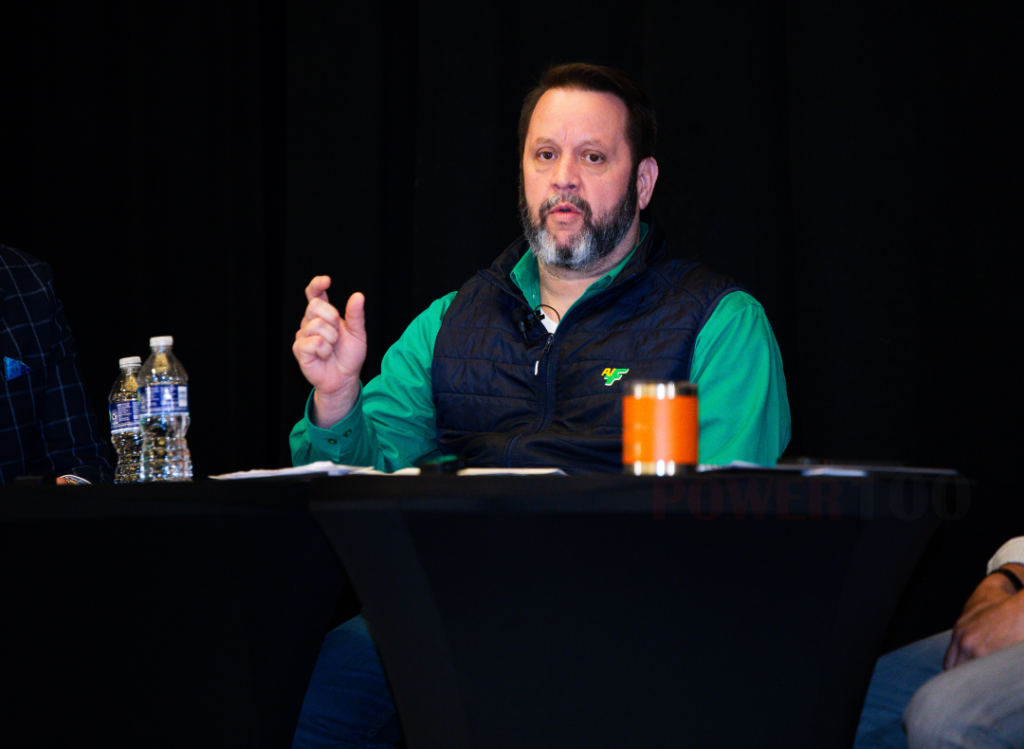
That became one of the most important parts of the conversation. Instead of speaking only about numbers or closing rates, Freeman focused on the emotional side of leadership and employee development. He explained that salespeople perform better when they understand the bigger mission behind the work. For trusted home improvement contractors, this shift is becoming increasingly important as companies compete not only for customers, but also for talent. Freeman’s perspective showed how culture, training, employee support, and customer trust are now becoming major competitive advantages for companies that want to build long term success.
The discussion also highlighted how homeowners are changing the way they choose contractors. Customers today are not simply looking for someone to install a roof, replace windows, remodel a bathroom, or complete exterior home repairs. They are looking for a company they can trust inside their home. Freeman explained that sales representatives often become the face of that trust. That means companies must create environments where employees feel supported, prepared, and proud of the organization they represent. From onboarding systems and leadership training to customer satisfaction and community involvement, the conversation showed how every part of a company’s culture shapes the customer experience.
As one of the most recognized home improvement companies in the Mid Atlantic, PJ Fitzpatrick’s approach offered a larger lesson for the industry. The conversation was not just about how to improve sales results. It was about how strong leadership, clear values, and a people first culture can help create better workplaces, stronger customer relationships, and a more trusted future for the home improvement industry overall.
A Sales Team Needs a Clear Why Before It Can Win
Freeman opened one of the most important parts of the conversation with a question every home improvement leader should ask:
“What is the purpose of your company? What is your why?”
For him, that question is not a brand exercise. It is the base of how a company trains, leads, and supports its sales team.
In today’s home improvement market, new people entering sales are not always coming from the old path of long time industry veterans. Many are joining the field with fresh eyes. They are willing to work hard. They are willing to learn. They are willing to follow a proven process. But Freeman made it clear that they also want to know why the process matters.
“The newer generations aren’t going to go out and just follow orders to follow orders. They’re willing to go out and work hard,” said James Freeman, CEO of PJ Fitzpatrick.
That point shapes the whole message of this PowerChat. Salespeople need more than a script. They need belief. They need to know that the company they represent cares about them, cares about the customer, and stands behind the work being sold. For a Mid Atlantic home improvement company known for roofing, siding, windows, doors, gutters, bath remodeling, and home repair services, that belief becomes part of the customer experience.
Freeman tied this directly to PJ Fitzpatrick’s core purpose of making life better one home at a time. That purpose gives the sales team something clear to stand on. It connects the company’s internal culture to the promise made to each homeowner. When a sales rep walks into a home, they are not only talking about products. They are carrying the company’s purpose into a real customer moment.
Learn more about PJ Fitzpatrick and its home improvement services at PJ Fitzpatrick.
Values Become Stronger When People Live Them Every Day
Freeman also made a strong point about culture. He explained that company values only matter when people live them in real life. They cannot sit on a wall and stay there. They must show up in how teams speak to each other, how leaders support employees, and how customers are treated from the first call to the finished project.
“We’re a culturally driven company that don’t put the actual words up on the wall but live them in all of our interactions amongst each other and with our customers on a day to day basis,” said Freeman.
That idea is important because many companies talk about culture, but fewer turn it into daily action. Freeman described values like embrace the team, take ownership, champion integrity, make it fun, and wow every customer as connected parts of the same system. Each value helps shape how the company works from the inside out.
At PJ Fitzpatrick, those values are not treated as separate from sales. They are part of sales. A salesperson who feels supported by the team can better support the homeowner. A salesperson who sees integrity modeled inside the company can speak with more honesty in the home. A salesperson who takes ownership is more likely to protect the customer experience from start to finish.
Freeman summed this up in a simple way: “Those core values are about taking care of our people. Because if we take care of our people, we can execute on the fifth core value, which is wowing every customer.”
That is where the story becomes bigger than a sales process. For a trusted exterior remodeling company serving the Mid Atlantic, values are not only internal rules. They are the way the company builds customer trust. They help turn a roof replacement, window project, bath remodel, door installation, or home repair into a better experience for the homeowner.
See how strong leadership and values are shaping the home improvement industry at Power100.
Opportunity Gives Salespeople a Reason to Build a Career
Another major theme from Freeman’s message was opportunity. He explained that salespeople join a company because they are looking for a real chance to grow. They may want to earn more, support their families, build confidence, or move into a stronger future. But the company has a role to play in making that chance real.
“They’re looking for an opportunity to be successful, whether it’s for themselves as a driver, whether it’s for their families as a driver,” said Freeman.
That statement moves the conversation beyond compensation. Pay matters, but opportunity is bigger than pay. Opportunity includes training, support, tools, leadership, and a clear path forward. It means the company has created the right conditions for people to take the next step.
Freeman explained that this is part of the framework behind sales success. “I want to talk a little bit about building the framework and foundation that’s going to allow the conditions to exist for your salespeople to take advantage of their opportunities,” he said.
That framework matters in an industry where salespeople often carry heavy pressure. They meet homeowners during important and sometimes stressful moments. A leaking roof, old windows, damaged siding, broken gutters, aging doors, or a needed bathroom remodel can create real concern for a family. Salespeople need to be prepared for those moments, not just pushed into them.
For PJ Fitzpatrick, opportunity is tied to responsibility. The company must help its team become ready. That means giving salespeople the knowledge, confidence, and support needed to grow. When that happens, sales becomes more than a job. It becomes a path where people can build a career and serve customers with pride.
Explore more stories about leaders shaping the future of home improvement at Power100.
Support at Work Builds Confidence in the Home
Freeman connected workplace support directly to what happens in front of the customer. His message was clear: a salesperson cannot give their best in the home if they do not feel supported by the company behind them.
“You need to create a workplace that people want to come to work, where they know that when they come to work, they’re supported,” said Freeman.
That support shows up in many ways. It includes training. It includes tools. It includes leaders who care. It includes a workplace where people know others are rooting for their success. Freeman explained that support must not only focus on today. It must also help people see a future.
“They have those tools to be successful and they have people that are rooting for them to be successful, not just today, but looking for ways for them to be successful in the future,” he said.
This is one reason the conversation matters to home improvement companies of every size. Sales confidence is not only built by product knowledge. It is built by trust in the company. When salespeople know they are backed by the team, they can sit with homeowners and speak with more calm, more care, and more belief.
For a home remodeling company, this kind of support can shape every part of the customer experience. A confident rep can better explain roofing options. A supported rep can better guide a family through window replacement, siding, doors, gutters, or bath remodeling. A prepared rep can help homeowners feel safe with their choice.
Freeman’s point was simple, but strong. If leaders want better sales teams, they must first build better support systems. The in-home moment is only as strong as the culture behind it.
Customers Trust the Rep When the Rep Trusts the Company
One of the strongest insights from Freeman’s conversation was the link between employee belief and customer trust. He explained that many homeowners have already done some level of research before a sales rep arrives. They may already know the company name. They may already have a need. But the final choice often depends on the person sitting in front of them.
“That customer in most cases has already decided that PJ Fitzpatrick is a company that they’d be willing to do business with,” said Freeman. “They decide whether they want to do business with us based on that person in front of them.”
That is a powerful idea for the home improvement industry. It means a sales rep is not only presenting a product. They are carrying the company’s trust into the home. Their tone, care, honesty, and confidence all matter.
Freeman explained that a company must give its people real reasons to believe in what they represent. That includes clear direction, strong service standards, high quality products, clean work, upfront pricing, trained specialists, honest communication, and a deep focus on customer satisfaction. These are not small details. They are the reasons a salesperson can look a homeowner in the eye and speak with confidence.
For homeowners searching for a trusted roofing, siding, windows, doors, gutters, and bath remodeling contractor in the Mid Atlantic, that trust matters. Customers want the job done right. They want to know the company will show up well, do clean work, and stand behind the project. Freeman’s message shows that this kind of trust starts inside the company before it ever reaches the customer.
When employees believe in the company, customers can feel it. When the company keeps its promises to its people, those people are better able to keep promises to homeowners. That is where culture becomes visible. It shows up in the home.
Purpose Driven Sales Teams Can Raise the Standard for the Whole Industry
Freeman did not frame the conversation as only a PJ Fitzpatrick story. He spoke about a larger need across the home improvement industry. When companies do right by their people and customers, the whole industry gets stronger.
“If we share with good people who are concerned with doing the right thing by customers, by the right thing by their people, then we all win,” said Freeman.
That message fits the bigger purpose of the PowerChat. The conversation was not only about one company’s sales culture. It was about what the industry can learn from leaders who are building stronger teams, better systems, and more trusted customer experiences.
Freeman’s perspective points to a future where home improvement sales is not only measured by how many deals close. It is also measured by how well companies prepare their people, how clearly they live their values, and how much trust they build with homeowners. In that future, purpose driven sales teams can help improve the reputation of the whole market.
“We can continue to grow our market share as an industry the right way,” Freeman said.
That is the larger lesson of the interview. The strongest companies will not only chase performance. They will build purpose first. They will give salespeople a why, not just a goal. They will turn values into action. They will create opportunity, build support, and help their teams represent the company with pride. For homeowners, that can mean better service. For employees, it can mean stronger careers. For the industry, it can mean a higher standard of trust.
Recognition That Shows Purpose Is Being Put Into Action
The message James Freeman shared during the PowerChat is also showing up in the way PJ Fitzpatrick continues to grow, lead, and earn trust. As a trusted home improvement company based in New Castle, Delaware, serving homeowners across the Mid Atlantic with roofing, siding, windows, doors, gutters, bath remodeling, and home repair services, the company is showing that purpose is not just something leaders talk about. It is something that can be seen in the way a team works, grows, and serves.
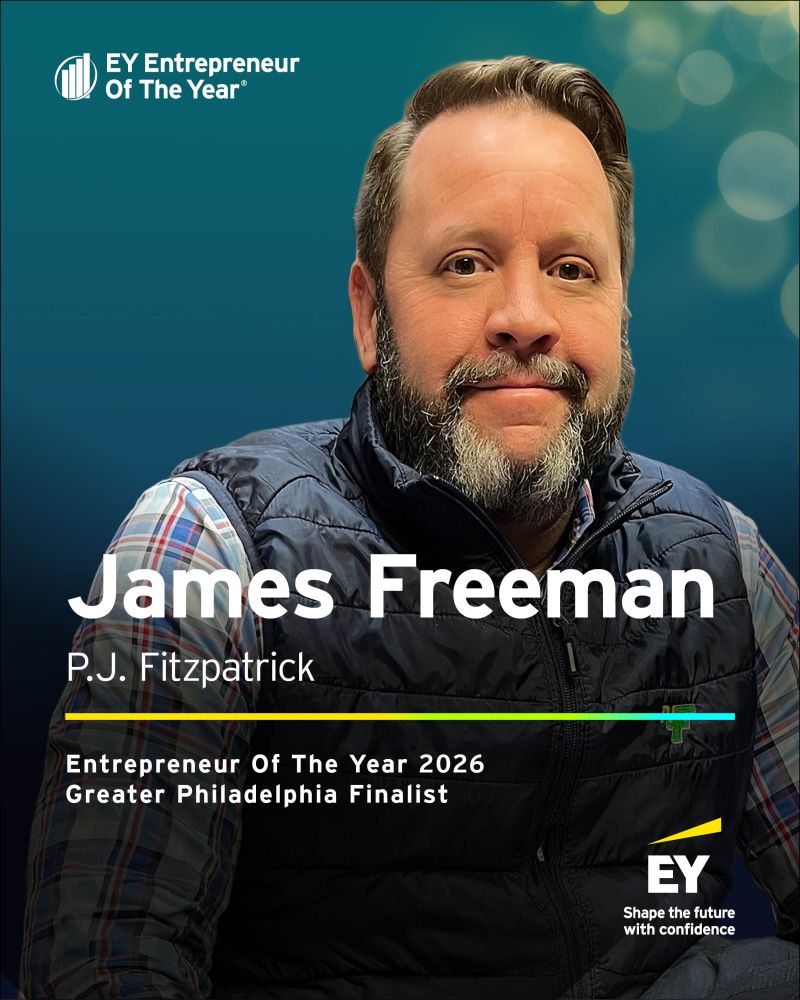
That work was reflected in a major milestone for the company when James Freeman was named a 2026 EY Entrepreneur Of The Year Greater Philadelphia Finalist. The honor celebrates leaders who are growing strong companies, bringing new ideas forward, and making a real impact in their industries. For PJ Fitzpatrick, the recognition speaks to more than business growth. It points to Freeman’s focus on doing business the right way, supporting a team that shows up each day for homeowners, and building a vision that keeps moving the company forward.
The company also earned another strong honor when P.J. Fitzpatrick, LLC was named a 2026 USA TODAY Top Workplaces winner. This award was driven by employee feedback, which makes it a clear reflection of the culture Freeman spoke about during the PowerChat. It shows that the company’s people feel the impact of the values, care, and support around them. In an industry where sales teams, installers, service teams, and office teams all help shape the customer experience, that kind of employee trust matters.
PJ Fitzpatrick’s internal growth work also adds to this story. The company recently wrapped the first year of its Emerging Leaders program, an internal effort built to help team members grow, stretch, and prepare for greater leadership. The program gave rising team members a place to build confidence, learn new skills, and step outside their comfort zones. It also showed the company’s belief that future leaders can be built from within when they are given the right support.
A special part of that effort was the leadership of Jen Foley, who guided the first Emerging Leaders class with care, purpose, and strong direction. Her work helped make the program meaningful for the people who took part in it. That matters because leadership development is not only about filling future roles. It is about helping people see what they are capable of becoming.
Together, these updates show why Freeman’s message carries weight. PJ Fitzpatrick is not only talking about core values, culture, and a clear why. The company is backing that message with real action through national workplace recognition, respected leadership honors, and internal programs that help people grow. For homeowners, that means working with a company whose team is being supported from the inside. For the home improvement industry, it shows how purpose driven leadership can build stronger teams, better service, and a higher level of trust.
A Clear Reminder That Strong Sales Teams Are Built on Belief First
James Freeman’s message leaves home improvement leaders with a simple but important question. Before changing the pay plan, before asking for more appointments, and before pushing teams to close more sales, leaders must ask if their people have been given something real to believe in.
That belief does not come from one meeting or one slogan. It grows when people know the company has a clear purpose, keeps its word, supports its team, and cares about the homeowner on the other side of the sale. It grows when salespeople understand that they are not just selling a roof, siding, windows, doors, gutters, bath remodeling, or home repairs. They are helping families make choices that protect and improve their homes.
For PJ Fitzpatrick, that belief has become part of how the company leads, trains, and serves. Freeman’s perspective shows that sales success is not only about performance. It is about the people behind that performance. It is about giving them the confidence, support, and purpose they need to represent the company well when they enter a customer’s home.
As the home improvement industry welcomes a new generation of sales talent, this kind of leadership will matter even more. The companies that stand out will not only be the ones that offer strong pay. They will be the ones that help people understand why the work matters, who they are serving, and how their growth can lift the customer experience and the industry around them.
That is the deeper lesson from Freeman’s conversation. Purpose comes before performance. When a company builds from that place, it can create stronger teams, better customer trust, and a future where home improvement sales feels less like pressure and more like service.
Frequently Asked Questions
- Why does Power100 feature leadership stories from home improvement CEOs instead of only ranking companies?
Power100 uses its platform to do more than publish rankings. It also helps the industry learn from leaders who are building strong companies through culture, customer service, growth, and long term impact. Power100 has described its work as recognition followed by storytelling through interviews, articles, media, and industry conversations, so the industry can learn from the right voices. That is why this PowerChat with James Freeman focuses on the deeper lessons behind PJ Fitzpatrick’s sales culture, leadership style, and customer first growth.
- How does Power100 evaluate what makes a home improvement leader worth studying?
Power100 looks at more than company size or public attention. The platform uses a proprietary five layer ranking system and has stated that it evaluates leaders through areas like leadership, culture, customer experience, operational excellence, innovation, growth, and community impact. That makes conversations like this one important because they show how a CEO leads behind the scenes, not only how a company performs in public.
- Why is James Freeman’s message important for home improvement companies building sales teams?
James Freeman’s message matters because he shifts the sales conversation away from only commissions and closing rates. He explains that salespeople need a clear company purpose, lived values, and strong support before they can represent a company well in the home. His view gives home improvement leaders a simple lesson: a sales team performs better when people understand why the work matters and trust the company behind them.
- What makes PJ Fitzpatrick a trusted home improvement company in New Castle, Delaware and the Mid Atlantic?
PJ Fitzpatrick has served homeowners since 1980 and offers home repair and replacement services throughout the Mid Atlantic. The company provides roofing, siding, windows, doors, gutters, bath remodeling, and other home improvement services. Its long history, wide service area, and focus on customer satisfaction help position it as a trusted home improvement contractor for homeowners in Delaware, Pennsylvania, New Jersey, Maryland, and nearby areas.
- Does a strong company culture really affect the customer experience in home improvement?
Yes. In home improvement, culture affects how employees show up, how they speak with homeowners, and how they handle problems. James Freeman explains that when a company takes care of its people, those people are better prepared to take care of customers. For services like roof replacement, siding repair, window replacement, door installation, gutter work, bath remodeling, and home repairs, homeowners need trust. A strong internal culture helps build that trust.
- Why does this press release focus on purpose before sales performance?
This press release focuses on purpose because James Freeman made it clear that sales success starts before the sale. A good commission plan may motivate people, but purpose gives them belief. When salespeople know the company’s why, understand the customer promise, and feel supported by leadership, they can represent the company with more confidence and care. That is the main idea behind “Purpose Before Performance.”
- How does PJ Fitzpatrick support growth inside its team?
PJ Fitzpatrick supports growth through culture, training, leadership development, and internal programs. One example is the company’s Emerging Leaders program, which recently completed its first year. The program helped team members grow, stretch beyond their comfort zones, and prepare for future leadership. This aligns with James Freeman’s message that strong sales teams and strong companies are built from the inside out.
- Why should homeowners care about a company’s leadership and culture when choosing a contractor?
Homeowners should care because leadership and culture often shape the service they receive. A company that supports its people, trains its team, and lives its values is more likely to create a smoother and more trusted customer experience. For homeowners looking for roofing, siding, windows, doors, gutters, bathroom remodeling, or home repair services in the Mid Atlantic, company culture can be a sign of how seriously the contractor treats people, work quality, and customer care.
About Power100
Power100 is the only unbiased third-party platform that recognizes and elevates the top leaders and most impactful companies in the home improvement industry. Through executive interviews, industry rankings, leadership features, event coverage, and strategic media conversations, Power100 helps spotlight the people, companies, and ideas shaping the future of home improvement. The platform was created to give trusted leaders a stronger voice while helping contractors, partners, and homeowners connect with companies that are driving growth, innovation, culture, and customer trust across the industry.