
Press Release
At the Erie Materials event, Paul Burleson showed that lasting success in the home improvement industry is built first through mindset, discipline, resilience, and purposeful leadership...
From Grit to Gold as Paul Burleson Shares a Leadership Playbook for Winning in the Home Improvement Industry
Power100 - Paul Burleson
May 07, 2026 | 4 min Read
At the Erie Materials annual event, Paul Burleson delivered a powerful Grit to Gold keynote that challenged contractors and business leaders to rethink mindset, discipline, resilience, and leadership in today’s fast changing home improvement industry.
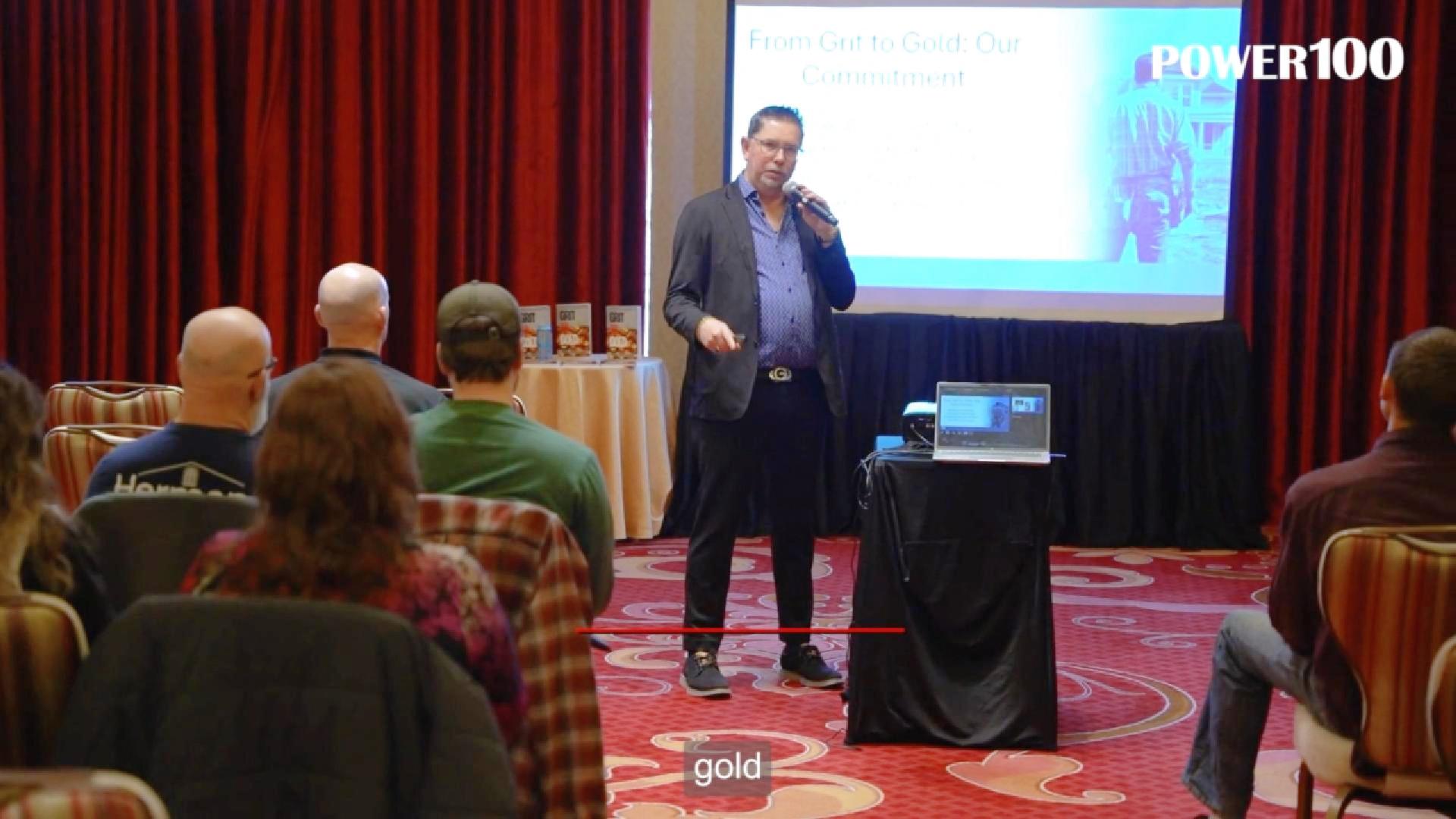
At Turning Stone Resort Casino, during the annual event hosted by Erie Materials, one message rose above the usual talk of products, pricing, and market conditions. This was a gathering built for contractors, distributors, and building professionals, but when Paul Burleson stepped onto the stage, the room shifted. His Grit to Gold Tour keynote reached far beyond product trends. It challenged leaders across the home improvement industry to think first about what drives performance before performance ever becomes visible.
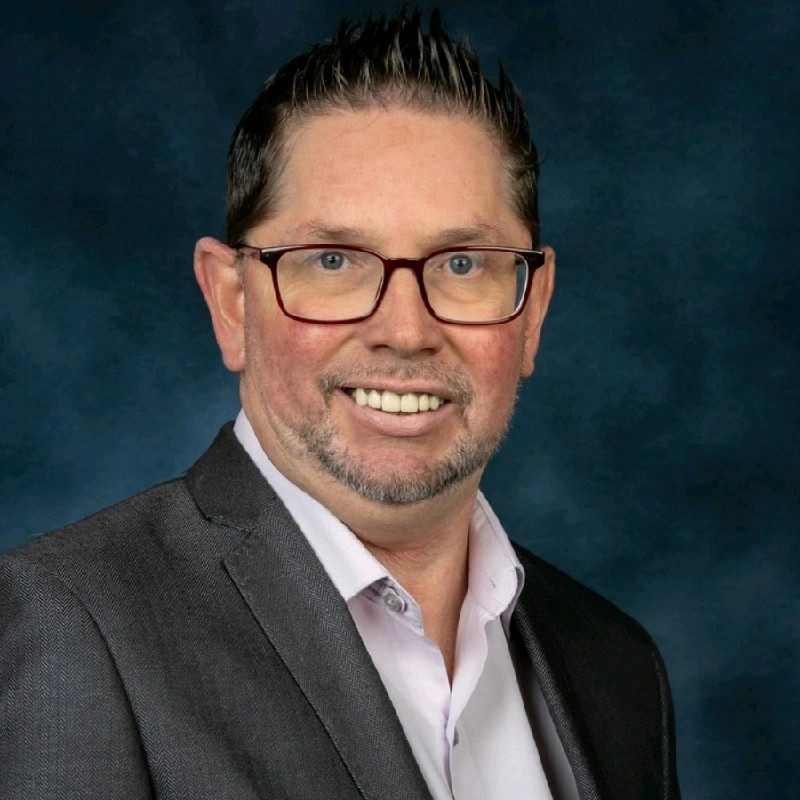
With more than three decades of experience across manufacturing, product strategy, sales leadership, and customer engagement, Burleson brought the kind of perspective that only comes from living every side of the business. As a senior account executive with Westlake Royal Building Products, and as a member of the Power100 advisory board, he has spent years helping contractors sharpen how they sell, how they lead, and how they grow. His reputation has been built on a rare blend of product mastery, sales psychology, and field level understanding. That depth gave extra weight to the words he shared from the stage.
He did not begin with tactics. He began with mindset. He did not begin with scale. He began with standards. He did not begin with results. He began with discipline.
In a room full of professionals from the building materials industry, Burleson delivered a message that felt deeply personal and sharply practical at the same time. He reminded the audience that success is not first built in the marketplace. It is built in the mind, in daily habits, and in the standards people choose to hold when nobody is watching.
As Burleson told the audience, “You become what you think, having become what you thought, because you program yourself.”
Power100 was on site to capture the lessons, the leadership insights, and the deeper meaning behind the day. Power100 is the only unbiased third-party platform that recognizes and elevates the top leaders and most impactful companies in the home improvement industry. That mission made this keynote especially important because Burleson’s message was not just about one successful career. It was about helping shape stronger leaders across an industry that continues to grow, evolve, and demand more from the people leading it.
A Leadership Message That Spoke Directly to the People Building the Industry
As contractors, sales professionals, manufacturer partners, and business owners gathered inside Turning Stone Resort Casino, the larger purpose of the day came into sharper focus. This was not only a meeting place for product conversations or market updates. It became a place where leaders across the home improvement industry could pause long enough to think about what truly drives lasting success.
That is what made Paul Burleson’s keynote so timely. The audience reflected the people carrying real pressure in today’s market. Contractors working to stay competitive. Sales teams trying to build more trust with homeowners. Business owners making decisions in a market where customer expectations are rising and operating conditions are getting tougher. Burleson spoke directly to that reality.
His Grit to Gold Tour presentation was not simply motivational. It felt more like a practical leadership framework for people working inside the daily demands of the building materials industry. He connected mindset, resilience, discipline, sales mastery, technology, and purpose into one clear message. Stronger companies are built when stronger people step forward first.
That message carried weight because of the scale of the room and the moment the industry is in right now. Across the country, the home improvement market is moving through change. Customer expectations are sharper. Competition is stronger. Technology is moving faster. In that kind of environment, leadership has become more than a management skill. It has become a business advantage.
Burleson did not give the audience a collection of quick ideas. He gave them something more durable. He gave them a lens for how to think, how to prepare, and how to lead when the work gets harder. That is why his message reached beyond the walls of the event. It spoke directly to one of the biggest questions facing the home improvement industry today: what kind of leader will be ready for what comes next?
Paul Burleson Began With the One Place Every Leader Must Build First
Before Paul Burleson spoke about sales, growth, or leadership execution, he brought the room back to the first place every business is truly built.
The mind.
His opening line set the tone for everything that followed.
“You become what you think, having become what you thought, because you program yourself.”
In that moment, the focus of the room changed. He was not talking about market conditions. He was not talking about timing. He was not talking about talent. He was talking about the quiet mental habits that shape how leaders show up every day inside the home improvement industry.
Burleson challenged the audience to think about how often people rehearse fear before they rehearse belief. How often they repeat doubt before they repeat confidence. How often they train themselves to expect problems before they prepare themselves to create solutions. His point was simple but powerful. Repeated thoughts often become repeated outcomes.
That idea hit home because leadership pressure in the building materials industry often starts long before a sales call or a company meeting. It starts in the conversations people have with themselves when they wake up, when a deal falls through, or when the market feels uncertain.
Then Burleson gave the room a fresh way to think about change.
“Today’s your birthday, because today is the first day of the rest of your life with a new mindset.”
That line turned the moment into something bigger than inspiration. It framed the day as a reset point. A reminder that mindset is not fixed. It can be rebuilt. It can be sharpened. It can be redirected.
That may be one of the strongest lessons for leaders across today’s home improvement market. Before stronger systems, stronger sales, or stronger teams, there must first be stronger internal discipline. Better companies often begin with better self leadership.
His Story Turned Grit From a Concept Into Something Real
As the keynote moved deeper, Burleson did something that changed the emotional weight of the room.
He shared where he came from.
He spoke openly about pain, instability, and moments from early life that most people would rather leave unspoken. Those details were not shared to shock the audience. They were shared to show that the principles he teaches were not built in comfort. They were built in survival.
That is what gave his message unusual credibility.
In the home improvement industry, people hear the word grit often. But Burleson did not describe grit as a slogan. He described it as a decision. A moment when he chose not to accept the path in front of him.
“I will not, under no circumstance, I will not live like this for the rest of my life. I will find a way out.”
That statement became one of the deepest turning points of the keynote.
His story reminded the room that hard beginnings do not have to become permanent endings. Pain can sharpen vision. Hardship can create uncommon clarity. The people who often lead strongest later are often the ones who learned how to keep moving when life gave them reasons to stop.
Burleson also made something else very clear. Resilience is not inherited. It is built. It is built through pressure, through setbacks, and through choosing to keep going again and again.
Then he gave the room one of the strongest lines of the day.
“You will succeed when you become relentless.”
That word mattered. Not motivated. Relentless.
Motivation comes and goes. Relentlessness stays when the season gets hard. In today’s building materials market, where competition is sharper and conditions can shift quickly, emotional endurance often becomes one of the most valuable leadership skills a person can develop.
Burleson reminded leaders of something the market often forgets. The companies that last are often led by people who learned how to keep going when things got heavy.
Paul Burleson Brought the Room Back to the Power of Daily Work
One of the reasons Burleson’s keynote connected so deeply is because he did not try to make success sound easy.
He made it sound honest.
At a time when many business conversations focus on fast wins, shortcuts, and quick scale, he brought the room back to a truth every contractor understands.
“Success is on the other side of hard work.”
That line landed because it reflected the real rhythm of the home improvement industry. Long days. Repeated effort. Quiet discipline. Progress that often feels slow before it becomes visible.
Burleson pushed back against the idea that growth is built by a few big moments. He pointed instead to repetition. The work done today. Then tomorrow. Then the day after that.
That is how mastery is built.
In the home improvement market, the strongest companies rarely become strong by accident. They become strong because leaders keep doing the right things long enough for those actions to compound. The estimate done carefully. The customer conversation handled well. The follow up made when others forget. The extra hour spent sharpening the craft.
He reminded the room that consistency often beats intensity. A burst of energy can create movement. But repeated discipline creates momentum that lasts.
That lesson matters now more than ever. In a changing building materials industry, many leaders are searching for the next strategy that will move the needle. Burleson’s message brought them back to something simpler and more durable.
The future often belongs to the people willing to do hard things longer than others.
That is not flashy. But it is how real growth is built.
For more insights shaping the future of leadership in the home improvement industry, visit Power100.
Paul Burleson Reframed the Sales Call as a Moment of Trust
As Paul Burleson moved deeper into the practical side of leadership, he brought the room to one of the most important moments in the entire home improvement industry.
What happens when a contractor steps into a homeowner’s house.
Burleson challenged the audience to stop thinking about sales as a pitch. He asked them to think like professionals solving a real problem.
His line was simple, but it stayed with the room.
“Their house is sick.”
That one sentence changed the whole frame. A sick house needs a diagnosis before it needs a product. It needs understanding before it needs a quote. In Burleson’s view, the strongest contractors do not begin by selling. They begin by identifying what is wrong, why it matters, and what must be done to make the home healthy again.
That is why he pushed the idea that a contractor should write the prescription.
In today’s home improvement market, homeowners are not only comparing products. They are deciding who they trust. People want to feel they are dealing with someone who understands what they are seeing, what could go wrong next, and what the smartest next step looks like.
Burleson reminded the room that confidence is often sold before products are sold. Clear explanations reduce fear. Clear diagnosis improves decision making. And when fear drops, trust begins to rise.
That way of thinking carries real weight in the building materials industry. It moves the contractor beyond the role of installer and closer to the role of trusted advisor. That shift changes the whole customer relationship.
Burleson’s message was clear. The future of sales in the home improvement industry belongs to the professionals who educate better, explain better, and lead homeowners toward better decisions.
Click here for more leadership and sales insights from Paul Burleson.
The Best Companies Are Built on Standards Before They Are Built on Scale
Once Burleson had redefined how contractors should think, he turned to how they should perform.
This is where his keynote became even more practical.
He brought the room back to one of the simplest and strongest ideas of the day.
“The standard is the standard.”
Those five words carried real force because they spoke directly to what separates good companies from great ones in the home improvement industry.
Burleson was not talking about occasional brilliance. He was talking about repeated excellence. The kind of standard that does not change because the day is busy, because the customer is difficult, or because the season is stressful.
He pushed that same thinking into practice.
Role play, in his view, should never feel light. It should feel harder than the real moment. It should feel intense enough that when the real conversation happens in the home, the contractor has already faced the pressure before.
“Perfect practice makes perfect performance.”
That line landed because everyone in the room understood the truth behind it. Sales is not just knowledge. Sales is performance. It is timing, confidence, clarity, and calm under pressure. Those things rarely appear by accident.
Burleson made the point that confidence often looks natural only because preparation happened long before the public moment. The strongest performers in today’s home improvement market usually look smooth because they have already fought those battles in practice.
That is one of the biggest lessons for leaders across the building materials industry right now. Sustainable growth is not built by talent alone. It is built by disciplined preparation repeated so often that excellence starts to feel normal.
Paul Burleson Closed by Pointing the Industry Toward What Comes Next
As the keynote moved toward its close, Burleson widened the lens.
He was no longer only talking about the person, the sale, or the company.
He was talking about the future of the home improvement industry itself.
He spoke openly about the growing role of artificial intelligence. He spoke about robotics. He spoke about the next operational shift already beginning to move through the building materials market.
For some in the room, those ideas felt exciting. For others, they felt uncomfortable. Burleson understood that. He even acknowledged that some people did not want to hear it.
But his point was not to create fear.
His point was to remind leaders that the future will not wait.
The contractors and companies that stay open to change will be the ones best positioned for what comes next. Technology is not replacing leadership. It is raising the standard for leadership.
Yet Burleson did not end with technology.
He ended with meaning.
He reminded the audience that growth by itself is never the whole story. Sales numbers matter. Revenue matters. Innovation matters. But none of those things fully explain why the work matters.
“You matter.”
That line gave the keynote its deepest closing moment.
Contractors do more than install products. They shape the spaces where families live. They affect comfort, safety, peace of mind, and the rhythm of daily life. A home touches everything. That means the people who improve homes are shaping lives every single day.
That is what made Burleson’s closing message so important for the future of the home improvement market.
The next era will belong to leaders who can do two things at once. Embrace technology with courage. Hold tightly to human impact with equal conviction.
That is how the home improvement industry moves forward without losing what matters most.
To stay connected with leadership voices shaping the future of home improvement, visit Power100.
Paul Burleson Is Not Just Teaching the Industry. He Is Helping Shape Where It Goes Next
One reason Paul Burleson’s message carried so much weight at the Erie Materials event is simple. What he shared on stage reflects the work he is already doing across the home improvement industry every day.
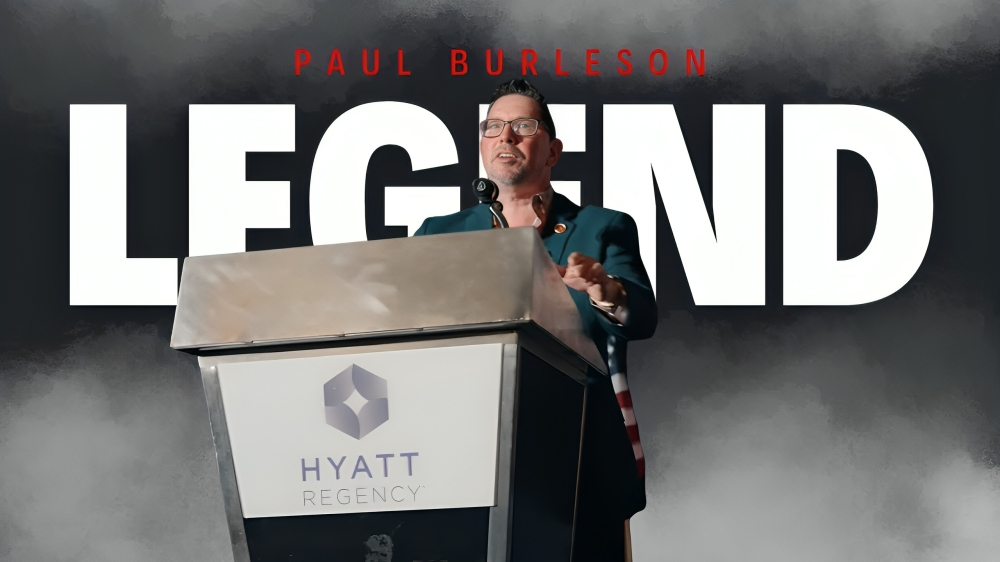
As an advisory board member for Power100, Burleson brings more than experience. He brings perspective shaped by one of the longest and most influential careers in the building materials industry. Today, as Director of Home Improvement Sales at Westlake Royal Building Products, he continues to help shape how contractors, sales teams, and business leaders think about growth in a market that keeps changing.
His career began more than four decades ago when he became known as the industry’s youngest canvasser. Since then, Burleson has grown into one of the most respected trainers and strategists in the country. Across more than 200 home improvement companies nationwide, he has helped leaders sharpen sales performance, improve customer engagement, and build stronger in-home selling systems that fit the demands of today’s market.
What makes that especially important right now is how closely his work aligns with where the home improvement market is heading.
Long before many others embraced it, Burleson was pushing the industry toward virtual selling, digital media, and smarter sales systems. Today, his leadership continues to reach into one of the most important shifts facing the industry. Artificial intelligence.
Burleson has been a strong advocate for using AI to improve sales processes, sharpen operational efficiency, and create better client engagement. His belief is not that technology replaces people. It helps good people perform at a higher level. That thinking is helping move the home improvement industry toward a future where innovation and human connection can grow together.
His influence has also been formally recognized across the market. Burleson is the author of Grit to Gold, a 2025 Top 15 Industry Leader, and a 2025 inductee into the Home Improvement Legends Hall of Fame. Those honors matter, but they also reflect something deeper. For years, Burleson has been helping professionals elevate their craft, adapt to change, and push toward long term success.
That may be the clearest reason his keynote felt so relevant.
He was not simply talking about stronger leadership.
He has spent decades building it.
And that is exactly why his voice continues to matter in the future of the home improvement industry.
Pre-Order GRIT TO GOLD by Paul Burleson here.
Paul Burleson’s Message Points to a Stronger Future for the Home Improvement Industry
What made Paul Burleson’s keynote stand out was not simply that it inspired the room. It gave the home improvement industry a clearer picture of what stronger leadership actually looks like in a market that is changing fast.
His message touched both sides of the business.
The internal side.
And the external side.
Inside the business, Burleson challenged leaders to think differently before they try to grow differently. He pushed them to look at the habits they repeat, the standards they accept, and the discipline they carry into each day. In today’s building materials industry, where pressure can come from every direction, that kind of inner strength is no longer optional. It is becoming a real business advantage.
Outside the business, his message was just as practical. He challenged contractors to improve how they communicate with homeowners. He challenged sales teams to lead with diagnosis before recommendation. He challenged companies to prepare more seriously, practice more intentionally, and treat every customer conversation like a moment that shapes trust.
That combination matters because the home improvement market is asking more from leaders than it did a few years ago.
Homeowners expect clarity.
Teams need confidence.
Markets reward consistency.
And companies that want to grow can no longer rely only on product quality or operational speed.
Burleson’s message pushed the industry toward something deeper. Better materials matter. Smarter systems matter. Stronger products matter. But long term growth will increasingly belong to leaders who bring stronger standards, deeper resilience, clearer communication, and a stronger sense of purpose into every part of the business.
That may be the most important lesson from Grit to Gold Tour.
The future of the home improvement industry will not be shaped only by what companies sell.
It will be shaped by who leaders become while building them.
Grit Was the Message, but Leadership Was the Lesson That Stayed
When Paul Burleson stepped away from the stage, the room did not leave with only memorable lines.
It left with something more lasting.
A clearer understanding of what long term success really asks from leaders in the home improvement industry.
Not just ambition.
Not just talent.
But mindset that stays steady when pressure rises.
Relentlessness that keeps moving when results take time.
Preparation that makes difficult moments feel familiar.
Standards that do not bend when circumstances change.
Adaptability that stays open to what the future demands.
And purpose that keeps the work meaningful long after the day is done.
That is what made the Grit to Gold Tour feel different.
It did not simply give the audience motivation for the moment. It gave contractors, sales leaders, and business owners something they can carry back into the field, into team meetings, into customer conversations, and into the quiet decisions that shape whether growth lasts.
In many ways, that may be why Burleson’s message felt so timely for today’s home improvement market.
The industry is moving fast. Expectations are rising. Technology is changing how work gets done. But even as those things evolve, the deeper foundations of leadership remain the same.
The companies that will matter most in the years ahead may not simply be the ones that grow faster.
They will be the ones led by people who think stronger, prepare deeper, adjust sooner, and stay relentless long after the applause is over.
Frequently Asked Questions About Paul Burleson’s Grit to Gold Message and Leadership in Home Improvement
- Why does Power100 spotlight keynote speakers like Paul Burleson in the home improvement industry?
Power100 focuses on leadership voices that give contractors and business owners practical ways to grow stronger companies. The platform was built to make sure the industry learns from leaders with real experience, real results, and real influence across customers, employees, and communities. That is why speakers like Burleson matter.
- How does Power100 help home improvement leaders stay ahead in a changing market?
Beyond rankings, Power100 publishes interviews, event coverage, leadership features, and industry conversations that help leaders understand where the home improvement industry is heading. Its goal is to turn high level experience into practical lessons companies can apply in the field, in the office, and in long term growth planning.
- What was the main message of Paul Burleson’s Grit to Gold keynote at the Erie Materials event?
Burleson’s main message was that stronger businesses are built by stronger people first. His keynote showed that mindset, discipline, resilience, and preparation often shape long term success before products, pricing, or market conditions ever do.
- Why did Paul Burleson say mindset is so important in the home improvement industry?
Burleson taught that leaders often perform the way they think. In a competitive home improvement market, repeated thoughts can shape repeated actions. Better internal habits often create better external business results.
- What did Paul Burleson mean when he said “the house is sick”?
He was teaching contractors to think like experts, not pitchmen. Instead of pushing products first, the contractor should diagnose what is wrong with the home, explain the problem clearly, and recommend the right solution. That approach builds stronger homeowner trust.
- Why did Paul Burleson emphasize standards and practice so strongly?
Burleson believes that consistency creates confidence. In the building materials industry, teams perform better when practice feels harder than the real moment. Repeated preparation helps make customer conversations calmer, clearer, and more effective.
- How does Paul Burleson connect technology to the future of home improvement?
Burleson pointed to artificial intelligence and robotics as major forces shaping the future of the home improvement industry. His message was that leaders must stay open to innovation while keeping strong human judgment, trust, and service at the center.
- What is the biggest leadership lesson contractors can take from the Grit to Gold presentation?
The biggest lesson is that long term growth belongs to leaders who think stronger, prepare deeper, and stay relentless when conditions get hard. In today’s home improvement industry, resilience and purpose may be just as important as skill or product knowledge.
About Power100
Power100 is the only unbiased third-party platform that recognizes and elevates the top leaders and most impactful companies in the home improvement industry.
Created to give the best leaders in the market a stronger voice, Power100 exists to spotlight the people and companies helping move the industry forward with integrity, innovation, and measurable impact. Through executive interviews, leadership features, event coverage, and industry storytelling, the platform brings forward the ideas shaping the future of exterior remodeling and residential construction.
At its core, Power100 was built around a simple belief. Great companies deserve a trusted outside platform that recognizes the people behind the progress. Power100 is the only unbiased third-party platform that recognizes and elevates the top leaders and most impactful companies in the home improvement industry.
Through its growing network of CEOs, founders, operators, and strategic partners, Power100 continues to serve as a leading outside resource for the leaders building stronger businesses, stronger teams, and a stronger industry.
Learn more at Power100 and follow Greg Cummings for ongoing leadership conversations shaping the future of home improvement.